Category: Uncategorized

  • How To Choose a Website Template?

    How To Choose a Website Template?

    Having a professional website is important, whether you are running a business, displaying your portfolio, or blogging. With so many options, web page template selection can be overwhelming. The right template will ensure that your site looks great, is user-friendly, and helps visitors navigate around the site easily and find whatever they’re looking for. Here’s what you’ll want to read to get the perfect template for your needs.

    What Is a Website Template?

    A website template is a pre-made design for creating a site in a very short time and with minimal effort. That is the skeleton in which you can fit your information, such as text, images, and videos, with the minimum amount of coding. What is a website template exactly? It’s a tool that simplifies the web design process for every person, from beginners to seasoned developers. With these business website templates, various designs allow users to cater to specific industries, hence making your portal look professional and business-oriented.

    Benefits of Using Website Templates

    Among several advantages of choosing website design templates, the process becomes easy when creating a professional site. Some of the best features include:

    • Time-Saving: A template gives you a quick start. You will have more time for your content and less time for the tiniest design details.
    • Cost-Effective: A template saves you hard-earned cash that could be wasted on customized designs. If you are an entrepreneur, especially from a small businesses, this is a great option.
    • User-Friendly: Made to be user friendly, templates ensure that your potential guests can easily find their way around your site. Intuitive design will help your visitors stay longer and feel encouraged to explore more.
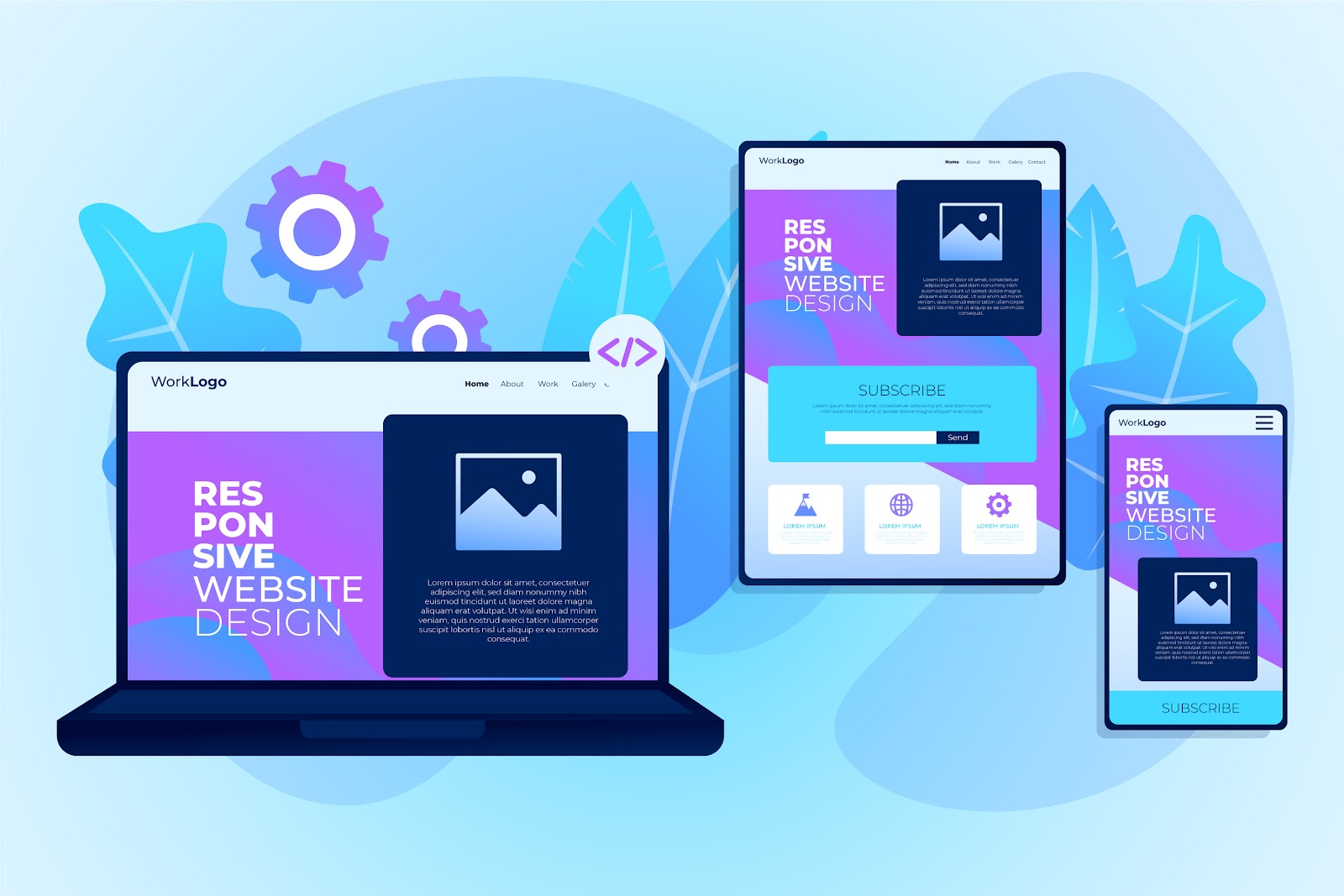
    • Responsive Design: The majority of the modern templates are responsive, meaning your site will look good on all devices. With the growing tendency of mobile internet use, this is crucial to reach a wider audience.
    • Professional Look: With pre-designed templates, your site will look sleek and polished right from the start. A professional-looking website enhances the trust and credibility of your audience.
    Choose a Website Template

    What Do Web Templates Consist Of?

    Web templates are comprehensive tools designed to ease the process of building a website. They provide a structured framework that contains different elements essential for creating a fully-fledged site. A good website layout template ensures that all the required elements are placed correctly, hence making it easy to arrange the content and design. More importantly, these templates also have elements that boost search engine optimization so that your site can rank higher and drive more visitors. In the following sections, we will explore the key elements, types, and design considerations of web templates.

    Key Components of a Web Template

    A good website template will have several important components to make it functional and visually pleasing. Here are the key elements that you can include:

    • Header and Footer: These sections mostly contain your logo, navigation links, and contact information to ensure that branding runs consistently on every web page.
    • Layout: A predefined website layout template structures your content in a user-friendly way so that visitors can easily find what they are looking for.
    • Navigation Menu: Every website needs clear, intuitive navigation. Users should be able to navigate your site easily. Navigation should offer clarity and ease to every visitor who wants to find out more.
    • Content Blocks: This is primarily an area where you can easily insert text, images, and multimedia elements to customize your site to the fullest.
    • E-commerce Features: Ecommerce website templates include features like a shopping cart, product listings, and secure payment gateways.
    • SEO Tools: Integrated features that ensure high visibility of your website on different search engines and draw more visitors.
    • Responsive Design: Ensures that your site looks awesome on any device – from desktop to tablet or smartphone.

    Types of Website Templates

    If you are looking for a good template for website, you have to understand that there are many different types of templates. The point is that each template type serves different purposes and caters to unique needs. For instance, blog templates are designed to be dominant in text and images and make it really easy for writers to let their thoughts be known and interact with their readers. Portfolio templates, on the other hand, center on showcasing the creative works of an artist, photographer, or designer wanting to have his projects displayed beautifully.

    Ecommerce templates are meant for online stores and contain sections for content products, shopping carts, and secure checkout options. Typically, they will include product pages, customer reviews, and inventory management to make the shopping process smooth. Business templates, however, proffer a number of professional setups that suit corporate presentations, service descriptions, and client testimonials. There are also niche-specific templates for industries like hospitality, education, and real estate, each of which is designed to meet the unique demands placed upon them. Understanding these types will help you choose the best template for your unique requirements.

    VMYnzzAn ZLZABHBCjPOOmGqyJdzHGimN7N jzHLMEbe7QytXnSijD 49AAY3Gg3THDpKWijfTzZPHaq3mJ8FFbLjBFQkYejHw3CfUbq1xxeQArzSYBliGnppI08W9eY1RpetMQTXYrY ulqBuXTw k

    What Should a Hotel Website Include?

    The creation of the best hotel website involves incorporating major features that add to the guest experience and ease the booking process. You can integrate direct booking functionality, high-quality imagery, and virtual tours to showcase your property with the help of a professional hotel website builder. The site needs to be mobile-friendly; it should look and feel fine on every device. It is also important to have intuitive navigation of the menu, guest testimonials, and clear contact information. This all helps to create a user friendly and effective hotel website.

    Essential Features for Hotel Websites

    Developing the best website to book hotels definitely includes features designed to please your potential guests. Here are some of the key elements every hotel booking site should have:

    • Direct Booking System: This allows guests to make direct online bookings through your website to avoid third-party charges and maximize revenue.
    • High-quality images and virtual tours: These will give your guests an idea of the mini hotel or large property so they can make informed decisions.
    • Mobile-friendly design: Ensure your site is accessible and looks great on any device for an enhanced user experience.
    • User-friendly navigation: Ensure that guests find it easy to locate information about rooms, amenities, and services.
    • Guest Reviews and Testimonials: Showcase the best feedback to build trust and credibility with potential guests.

    The Importance of Mobile Friendliness

    A mobile-friendly website is critical for the hospitality industry. An increasing number of travelers are booking vacations and seeking out information on mobile devices, so your site must do well on all screen sizes. In general, mobile compatibility ensures that guests can seamlessly navigate, book, and contact customer support from their phones. Moreover, with hotel systems developed for mobile access, the level of guest experience at your property is enhanced and more convenient for today’s tech-savvy traveler.

    czbqIz4rmoYkPjHDKkmYY1KDkXfII6ddOqjD04V0X5BIXkUH5ub2ltuN4 QKZzyOyteIhlQSnJ4iYDUUk 1SuCHwHEk8CYrIFdZ7gSnAvV2 tmAYeCn79mP0p4VskhVEXXr2ES3cnkXTOq2sKmR9ln0

    Determine the Type of Website You Need

    Before finally choosing a website template, it is necessary to outline exactly what you want to achieve and what you need. Consider what you’re trying to do, be it displaying a portfolio, managing a blog, or having an online store. Then, there are the more technical decisions of whether to go with a static or dynamic website and how many pages it should have. You can also search for something like “website templates Google Sites” to find and customize templates to meet your needs. All these will lead you to the choice that best suits your website.

    Aligning Your Website Template with Goals and Needs

    The proper template selection ensures consistency between your website and objectives. Here is how different templates can support various needs:

    • Personal Website Templates are ideal for displaying personal achievements, resumes, and personal branding. They help to highlight your skills and experiences.
    • Blog Website Templates are best for content creators who wish to share articles, updates, and stories. They are designed to make your content engaging and easy to navigate.
    • Portfolio Website Templates are ideal for artists, photographers, and designers who want to show their works of art. These templates focus on visualization and allow future clients to see the level your of creativity.

    There are also many other specialized templates that suit various needs. E-commerce templates allow you to list products and make secure payments online. Hotel business templates feature booking functionality and showcase amenities. The type of template you choose will assure you that your website really serves its purpose.

    Choosing Between Static and Dynamic Websites

    Deciding between a static website and a dynamic one is very important in creating an effective online presence. Static sites are simple, with content fixed and uploaded only through manual means, and are better suited to small, informative sites. Dynamic sites, on the other hand, change their content based on the user’s interaction with the site or other stipulated criteria and best suit complex needs like blogs and online marketplaces. A dynamic design will provide flexibility and functionality for a professional website, engaging visitors and keeping your content up to date. Your choice should be based on your site’s requirements and goals.

    One Page vs Multi-Page Websites

    The choice between a one-page website and a multi-page website depends on the amount of information that you have to present. A one-page website is ideal for sites with small content; it provides an excellent, smooth, and flawless user experience with all the information within a single scrollable page. Multi-page websites are more appropriate if you are publishing more details so that information can be divided into several pages, each explaining or representing different topics or services. Choose accordingly, depending on the complexity and extent of your content.
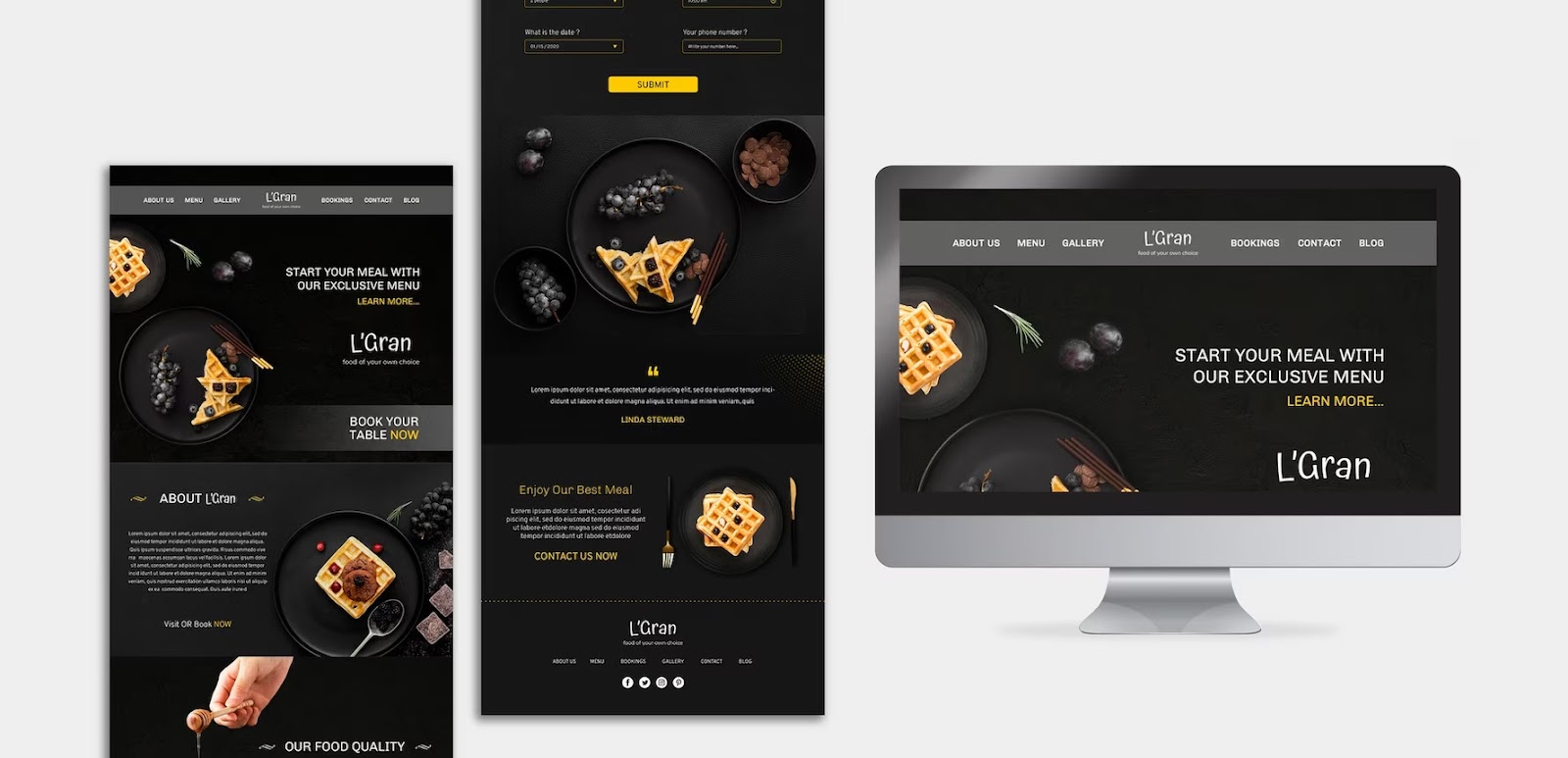
    Website Template

    Customize Your Website Template

    Another mandatory aspect of the website template is that it should be customizable and made for special needs. Each template offers various levels of customizability, which may include content editing, layout adjustment, and design elements. For example, ecommerce website templates may provide additional pages for creating product pages, payment gateways, and shopping cart customization.

    Here are some of the most popular customization options you may consider:

    • Content Editing: Add and modify text, images, and videos to give a voice to your brand and style.
    • Changing Layouts: Rearrange the structure of your web pages to enhance user experience and navigation.
    • Design Elements: Adjust colors, fonts, and other visual elements to align with your brand identity.
    • Product Pages: For ecommerce sites, create detailed product pages with descriptions, images, and pricing.
    • Payment Gateways: Integrate secure payment options to facilitate smooth transactions.
    • Booking Systems: For hotel websites, incorporate booking functionalities to manage reservations efficiently.
    • Image Galleries: Showcase your services or portfolio with customizable image galleries.
    • Customer Reviews: Display testimonials and reviews to build trust and credibility with your audience.

    Likewise, a hotel website design company may offer templates enriched with hotel industry features, including booking systems and guest reviews. This will make your website look professional and easy for visitors. On the other hand, a personal website template is highly customizable, so it would reflect the personal brand, where you can change the color scheme and even the layout of the website. Choosing the suitable template with all the required customization options will help you create a unique yet effective website for all your needs.

    Making the Final Decision

    Choosing the right website template is crucial for building an effective and engaging online presence. First, define your goals and understand what you need. This will help narrow down the myriad of options. Consider your target audience and what is the primary focus of your website.

    Consider the necessary features and customization options of each template. Whether it is ecommerce website templates, those offered by a hotel website design company, or even a personal website template, ensure that it meets your goals and offers flexibility. Make sure that the template includes all the necessary features, such as mobile responsiveness, SEO tools, and ease of navigation.

    Remember, the right template will enhance your site’s functionality, improve user experience, and support business goals. Take your time to evaluate your choices and select a template that provides a solid foundation for your website. With the right template, you will be well on your way to a professional and impactful online presence.

  • Agoda Extranet

    Agoda Extranet

    Where can I find the Agoda Extranet?

    Are you in search of the Agoda Extranet? If so, look no further:

    Agoda Extranet – Click Here

    What is the Agoda Extranet?

    The Agoda Extranet is a vital tool for hoteliers that allows them to manage their property’s presence on Agoda, one of the world’s leading online travel agencies.

    Through the Extranet, hotel owners can update their property information, set pricing and availability, and communicate with guests.

    Finding the Agoda Extranet

    To access the Agoda Extranet, click the link above, or follow these simple steps:

    1. Visit the Agoda website – agoda.com.
    2. Click on the “Partner Hub” or “Extranet” option. This will typically be found at the bottom of the homepage.

    Once you’re in the Extranet, you can log in with your credentials or sign up if you’re a new user.

    Why Use a Hotel Channel Manager With Agoda?

    Managing your property on Agoda can be time-consuming, especially if you’re also listed on other online travel platforms. This is where a hotel channel manager comes into play.

    Here’s why you should consider using one:

    1. Saves Time: A channel manager automates the process of updating your room inventory, rates, and availability across multiple platforms, including Agoda. This means you won’t have to manually adjust your listings.

    2. Minimizes Errors: Manual data entry can lead to mistakes that can affect your hotel’s reputation. A channel manager ensures accurate and consistent information across all channels.

    3. Increases Visibility: With real-time updates, you’ll be able to tap into a wider audience on Agoda and other online travel agencies, potentially boosting your bookings.

    In conclusion, the Agoda Extranet is your passport to a global audience of travelers.

    To make the most of this platform, consider using a hotel channel manager and booking engine to streamline your operations, increase bookings, and drive direct traffic to your website. By doing so, you’ll be on your way to maximizing your presence on Agoda and boosting your hotel’s revenue.

  • What’s the difference between a Channel Manager and a Hotel Booking Engine?

    What’s the difference between a Channel Manager and a Hotel Booking Engine?

    Understanding the Difference Between a Channel Manager and a Hotel Booking Engine

    Introduction

    In the dynamic world of hospitality, technology plays a significant role in streamlining operations and enhancing customer experiences. Two such technological tools that have revolutionized hotel management are the hotel channel manager and the booking engine. However, there is often confusion about their roles and functionalities. This blog aims to demystify these two critical tools, highlighting their differences, benefits, and how they can be leveraged for optimal hotel management.

    Understanding a Hotel Channel Manager

    A hotel channel manager is an essential tool for any hotelier looking to increase their online visibility and revenue. It is a software solution that allows hotels to manage room distribution across various online travel agencies (OTAs), global distribution systems (GDS), direct booking platforms, and other digital channels from one central platform.

    The primary function of a hotel channel manager is to ensure real-time synchronization of inventory and rates across all connected channels. This means that whenever a booking is made or cancelled on any platform, the inventory gets updated instantly across all other channels. This helps in avoiding overbooking or underbooking situations.

    Moreover, it allows hoteliers to control pricing strategies dynamically, based on demand and supply conditions. By providing insights into market trends, competitor pricing strategies, and consumer behavior patterns, it assists in making informed decisions about room pricing.

    The Benefits of Using a Hotel Channel Manager

    A well-integrated hotel channel manager offers numerous benefits:

    1. Enhanced Online Visibility
    By distributing your inventory across multiple OTAs and GDSs worldwide, it increases your property’s visibility leading to higher bookings.

    2. Real-Time Inventory Management
    It ensures real-time synchronization of your inventory across all channels preventing overbookings.

    3. Dynamic Pricing
    It allows you to adjust room rates dynamically based on market conditions maximizing revenue.

    4. Time-Saving
    It eliminates the need for manual updates saving valuable time and eliminates data entry errors.

    Understanding a Hotel Booking Engine

    A booking engine, on the other hand, is a software application integrated into a hotel’s website and social media pages, allowing guests to book rooms directly. It provides a secure and user-friendly platform for guests to check room availability, prices, and make reservations.

    Unlike a hotel channel manager that manages multiple distribution channels, a hotel booking engine focuses on direct bookings. It enables hotels to bypass intermediaries like OTAs, thereby saving on commission costs.

    The Benefits of Using a Hotel Booking Engine

    A robust booking engine offers several advantages:

    1. Increased Direct Bookings
    By providing an easy-to-use booking platform on your website or social media pages, it encourages guests to book directly.

    2. Reduced Commission Costs
    Direct bookings mean you don’t have to pay commissions to OTAs.

    3. Enhanced Customer Engagement
    It allows you to engage with your customers directly, offering personalized services and deals.

    4. Secure Transactions
    It ensures secure online transactions protecting both the hotel and the guests.

    The Interplay Between the Hotel Channel Manager and Hotel Booking Engine

    While both tools serve different purposes, they complement each other in achieving the ultimate goal – maximizing hotel revenue while enhancing guest satisfaction.

    The hotel channel manager broadens your reach by distributing inventory across multiple online channels while the booking engine drives direct bookings by providing an easy-to-use reservation platform on your website or social media pages.

    Moreover, when integrated with each other, they provide real-time synchronization between direct bookings from your website (via the booking engine) and those from OTAs (via the channel manager). This ensures consistent availability information across all platforms preventing overbooking situations.

    Conclusion

    In conclusion, both the channel manager and hotel booking engine are indispensable tools in today’s digital age of hospitality management. While they serve different functions – one managing multiple distribution channels and the other driving direct bookings – they work together in harmony to optimize room distribution, maximize revenue, and enhance guest experiences. Understanding their differences and benefits is key to leveraging them effectively for your hotel’s success.

  • Exploring the Role of Technology in Hotel Operations Management

    Exploring the Role of Technology in Hotel Operations Management

    In today’s fast-paced and highly competitive hospitality sector, the concept of hotel operations management has undergone a significant transformation. Gone are the days when manual processes and traditional methods dominated the scene. Now, the current state of the hotel industry is increasingly characterized by the integration of advanced hotel software programs, marking a paradigm shift towards more efficient, responsive, and customer-centric operations. This evolution is not just a trend but a necessity as hotels strive to meet the ever-growing expectations of tech-savvy guests and cope with the complexities of modern hospitality management.

    But beyond operational fluidity, these technological advancements play a pivotal role in elevating guest satisfaction. By leveraging hotel software programs, hotels can offer personalized experiences, quick service, and seamless interactions, thereby fostering loyalty and a better overall guest experience.

    Traditional methods vs. modern approaches

    The journey of hotel operations management has been marked by a significant evolution, from traditional methods to the modern approaches shaped by technology. In the early days of the hospitality industry, hotel management was predominantly manual. Tasks such as booking reservations, managing room assignments, and handling guest services were conducted without the aid of digital tools, relying heavily on physical ledgers, face-to-face interactions, and telephone-based communications. This approach, while personal, was often time-consuming and prone to errors, making it challenging to manage large-scale operations effectively.

    As technology advanced, so did the sophistication of hotel operations software. The shift from on-premise servers to cloud-based solutions marked another milestone, allowing for more scalable, accessible, and cost-effective management tools. This era of digital transformation paved the way for integrated systems that could handle a multitude of operations seamlessly – from front desk management to housekeeping schedules, inventory control, and even customer relationship management.

    This historical shift from the traditional, hands-on methods to contemporary, technology-driven strategies in managing hotel operations has resulted in more than just enhanced operational efficiency. It has also broadened the scope for improving guest experiences and creating new opportunities for business growth.

    Impact of Technology on Guest Experience

    The integration of advanced technology in hotel operations management has profoundly transformed the guest experience, setting new standards in the hospitality industry.

    One of the most noticeable improvements is in the booking process. Online reservation systems, powered by robust hotel operating systems, provide a seamless and efficient booking experience. Guests can easily search for available rooms, view detailed descriptions and photos, and make reservations at their convenience, without the need for direct interaction with hotel staff. This level of autonomy and ease has significantly enhanced the booking experience for guests worldwide.

    The impact of technology extends to the check-in and check-out processes as well. Automated systems, such as self-service kiosks and mobile check-in options, have drastically reduced wait times and streamlined these procedures. Guests can now check in or out at their leisure, often using their smartphones, which adds a layer of convenience and personalization to their stay.

    Room service and other amenities have also seen a technological overhaul. With the integration of mobile apps and in-room tablets, guests can order room service, request housekeeping, control room settings, and even access entertainment options with just a few taps. This not only improves service efficiency but also enhances the overall guest experience through ease of use and immediate responsiveness.

    Moreover, technology has played a pivotal role in personalizing guest experiences. Data analytics enable hotels to gather insights into guest preferences and behavior. This data is then used to tailor services and offers, making each guest’s stay more personalized and memorable. From suggesting activities based on previous choices to customizing room settings according to individual preferences, data-driven personalization is redefining hospitality.

    Operational Efficiency and Cost Management

    In the realm of hotel operations management, the drive towards enhanced operational efficiency and effective cost management has been greatly accelerated by technological advancements. Key among these advancements is the implementation of central reservation systems (CRS) and other integrated technologies that streamline numerous back-end operations.

    One of the primary areas of improvement is in inventory management. Modern hotel management systems enable real-time tracking of room availability, supplies, and amenities, ensuring optimal inventory levels are maintained. This reduces wastage and ensures resources are utilized efficiently. Additionally, these systems facilitate better coordination between different departments, leading to a more synchronized operation.

    Staff scheduling is another area where technology has brought significant efficiency. Automated scheduling systems allow for more effective workforce management, ensuring that staff levels are appropriate for the expected demand. This not only improves service quality but also helps in controlling labor costs, a major expense in the hotel industry.

    Energy management is yet another aspect where technology plays a crucial role. Smart systems in hotels can now monitor and control energy usage, adjusting heating, cooling, and lighting automatically based on occupancy and preference. This not only reduces energy consumption and costs but also contributes to the hotel’s sustainability efforts.

    The introduction of automation and smart systems in hotel operations management has led to substantial reductions in operational costs. Automated processes reduce the need for manual labor in many routine tasks, decrease the likelihood of errors, and increase overall efficiency. This, in turn, leads to cost savings, which can be significant over time.

    The Future of Technology in Hotel Operations

    As we look to the future of hotel operations management, it’s evident that the hospitality operations are poised for even more revolutionary changes, driven by emerging technologies.

    One of the most exciting prospects is the incorporation of Virtual Reality (VR) in the hospitality industry. VR has the potential to revolutionize the way hotels engage with customers even before they book a stay. Imagine offering virtual tours of rooms, facilities, or even local attractions, enabling guests to experience their potential stay in an immersive way. This could dramatically transform the booking process and serve as a powerful marketing tool.

    Blockchain technology is another innovation set to make a significant impact. Known primarily for its application in cryptocurrencies, blockchain offers immense potential in enhancing security and transparency in hotel operations. It could be used for secure and seamless transactions, smart contracts for bookings, and even in loyalty programs, ensuring a more reliable and user-friendly experience for guests.

    Robotics is also making its way into hospitality operations. Robots could be used for a variety of tasks, ranging from cleaning and maintenance to customer service roles like concierge services or food delivery. The integration of robotics is not just about novelty; it’s about enhancing efficiency, reducing costs, and providing consistent service quality.

    Looking forward, we can expect these technologies to be increasingly integrated into hotel operations management. Virtual Reality could evolve to become a standard tool in customer engagement and room selection.

    Conclusion

    The future of hotel operations lies in embracing these technological advancements. Whether through the use of sophisticated hotel operating systems, the implementation of emerging technologies like Virtual Reality, Blockchain, or Robotics, or the adoption of sustainable practices powered by smart technology, adaptability and forward-thinking are the keys to success in this dynamic industry.

    Hotels that are quick to adapt to technological changes and innovate in line with evolving guest expectations will not only stay ahead in the competitive market but will also redefine the standards of hospitality.

  • 5 Strategies to Boost Hotel Room Sales Online with a Booking Engine

    5 Strategies to Boost Hotel Room Sales Online with a Booking Engine

    A booking engine is a critical tool in a hotel’s arsenal, offering an interface between the hotel and its guests. This system not only simplifies the booking experience for customers but also opens up many opportunities for hotels to maximize their revenue. In an era where convenience and speed are highly valued, having the best booking engine is more than just a luxury; it’s necessary for hotels aiming to stay competitive and appealing in the crowded online marketplace.

    The significance of an effectively integrated hotel room booking system transcends simple ease of use. It stands as a crucial element in meeting the progressive needs of today’s travelers, who demand quick, accessible, and dependable booking methods. Utilizing the best booking engines is not just about enhancing online visibility for hotels; it’s about creating a more tailored and captivating experience for their guests. This approach not only drives increased sales but also fosters stronger customer loyalty.

    Exploring strategies to elevate hotel room sales online necessitates an understanding of the capabilities and advantages offered by booking engines. The goal transcends mere digital presence; it involves fine-tuning that presence to surpass both the business goals and the expectations of customers in the contemporary world of digital hospitality. This strategic approach is key to not only attracting guests but also ensuring their satisfaction and return.

    Understanding the Booking Engine

    At its core, a booking engine is a specialized software solution that functions as the backbone of a hotel’s online reservation system. Essentially, it is a digital platform that allows guests to book rooms directly through the hotel’s website, bypassing intermediaries. The best booking engine is characterized by its ability to provide a fast, efficient, and user-friendly experience, enabling customers to effortlessly select rooms, check availability, view rates, and complete their booking within a few clicks.

    Integration is a key aspect of any high-performing hotel room booking system. The best booking engines seamlessly integrate with a hotel’s website, aligning perfectly with its design and branding to offer a cohesive user experience. This integration extends beyond just the hotel’s official website; it also encompasses various other online platforms that are pivotal in today’s digital marketplace. This includes social media channels, where a booking engine can be integrated to allow reservations directly through social media profiles, and Online Travel Agencies (OTAs), where it can synchronize room availability and rates in real-time.

    In essence, understanding the functionality and integration capabilities of a booking engine is foundational for hotels aiming to enhance their online presence and sales. The best hotel room booking systems are those that offer ease and efficiency to customers while providing valuable insights and seamless integration for the hoteliers, making them an indispensable tool in the competitive world of online hospitality.

    room booking platform

    Strategy 1: Optimizing the Booking Engine for User Experience

    The effectiveness of hotel booking software hinges significantly on its user interface. A user-friendly interface is not just about aesthetics. it’s about creating an intuitive and seamless experience for users that simplifies the booking process. In the hospitality industry, where the first impression often begins online, the ease and efficiency of the booking experience can be a decisive factor in converting website visitors into paying guests.

    To ensure the hotel booking software delivers an optimal user experience, several key elements should be considered:

      • Simplicity and Clarity: The booking process should be straightforward. Avoid overwhelming users with excessive options or complicated navigation. Clear, concise instructions and easily identifiable booking steps can guide users smoothly through the process.
      • Speed and Efficiency: The software should load quickly and function efficiently. Long loading times or lagging performance can frustrate potential guests and lead to booking abandonment.
      • Responsive Design: With a significant number of bookings made on mobile devices, the booking software must be fully responsive. This means it should adapt seamlessly to various screen sizes, providing a consistent experience across desktops, tablets, and smartphones.
      • Streamlined Checkout Process: Minimize the number of steps required to complete a booking. Request only essential information and offer multiple, secure payment options to cater to different preferences.

    By focusing on these aspects, hoteliers can significantly improve their hotel booking software, making it not only a tool for making reservations but also an integral part of the overall customer experience.

    Strategy 2: Mobile Optimization

    With the surge in smartphone usage, a substantial portion of hotel bookings are now made via mobile devices. This shift makes it imperative for hoteliers to ensure that their hotel booking engine is optimized for mobile users, offering a seamless and efficient booking experience tailored to smaller screens and touch-based interactions.

    Here are some key techniques for optimizing the hotel booking engine for mobile users:

      • Responsive Design: The booking engine should feature a responsive design that automatically adjusts its layout, content, and functionalities to fit the screen size and resolution of various mobile devices. This ensures that all elements are easily readable and accessible, regardless of the device being used.
      • Speed Optimization: Mobile users often have limited time and patience. Therefore, ensuring that the booking engine loads quickly on mobile devices is crucial. This can be achieved by optimizing images, using mobile-friendly frameworks, and reducing the use of heavy scripts that may slow down the page.
      • Simplified Navigation: The navigation on a mobile booking engine should be straightforward and intuitive. Large buttons, a clear CTA, and a minimalistic menu that’s easy to access and navigate enhance the user’s experience.
      • Security: Given the sensitive nature of transactional data, ensuring that the mobile booking engine is secure is paramount. This includes the use of SSL certificates, secure payment gateways, and compliance with data protection regulations.

    By prioritizing mobile optimization in the hotel booking engine, hoteliers can not only meet the current demands of the market but also enhance their competitive edge, ensuring that potential guests have a smooth and convenient experience right from the start.

    Strategy 3: Utilizing High-Quality Images and Videos

    In the digital era, the power of visual content in influencing booking decisions cannot be underestimated, especially when it comes to the hospitality industry. High-quality images and videos can significantly enhance a hospitality platform, providing a substantial boost to the effectiveness of a hotel booking engine. This visual appeal plays a crucial role in capturing the attention of potential guests and can be a decisive factor in their booking choices.

    Here are some strategies for effectively using images and videos in your hotel booking engine:

      • Showcase the Hotel’s Best Features: Use high-resolution images and videos to highlight the unique aspects of your hotel, such as luxurious rooms, amenities, scenic views, and any special services. Ensure these visuals are professionally captured to reflect the quality and atmosphere of your hotel accurately.
      • Optimize for Load Time: While quality is critical, also optimize these media files for fast loading. High-resolution images and videos can be large in size, which might slow down your website. Use compression techniques to balance quality and load time.
      • Regular Updates: Regularly update your visual content to reflect any changes or upgrades in your hotel. Keeping your visuals current ensures that potential guests are viewing the most accurate representation of your offerings.
      • Mobile Optimization: Ensure that images and videos are optimized for mobile devices. They should display correctly on different screen sizes and orientations without compromising quality.

    This visual enhancement not only boosts the attractiveness of your hotel booking engine but also plays a pivotal role in converting browsing into actual bookings, thereby contributing to increased occupancy and revenue.

    Strategy 4: Streamlining the Payment Process

    A secure payment system is crucial for any effective hotel booking software. Opting for the best booking engine entails a meticulous focus on this feature, ensuring it operates flawlessly and securely. When customers encounter a payment process that is both efficient and safe, it builds their trust in the service. This trust, in turn, elevates the entire booking experience. A well-designed payment system not only fosters confidence among users but also contributes to increased conversion rates and boosts overall customer satisfaction. Such attention to detail in the payment process is essential in creating a positive and reliable booking experience for guests.

    Here are some key suggestions for integrating a robust payment gateway into your hotel booking engine:

      • Multiple Payment Options: Incorporate a variety of payment methods, including credit cards, debit cards, digital wallets, and online banking. Providing multiple options caters to the preferences of a diverse customer base and can significantly reduce the abandonment rate at the checkout stage.
      • Transparent Pricing Information: Clearly display all costs, including any taxes, fees, or additional charges, before the customer initiates the payment. Unexpected costs added at the last minute are a common reason for booking abandonment.
      • Strong Security Measures: Implement robust security measures like SSL encryption, two-factor authentication, and fraud detection algorithms to protect against unauthorized transactions and data breaches.
      • Local Currency and Language Support: Cater to international travelers by supporting multiple currencies and languages. This not only improves the user experience but also helps in capturing a broader market.

    By streamlining the payment process and ensuring its security and efficiency, hoteliers can significantly enhance their hotel booking software.

    Strategy 5: Personalizing the Booking Experience

    A hotel room booking system that incorporates personalization features is not just a tool for making reservations; it’s an opportunity to connect with guests on a more individual level. The best booking engine is one that not only facilitates room bookings but also offers a tailored experience for each user, making their interaction with the hotel more memorable.

    Here are some effective methods for personalizing the booking process:

      • User Preference Recognition: Implement features in your booking engine that recognize and remember user preferences, such as room type, location, or specific amenities. This makes repeat bookings faster and more convenient for returning guests.
      • Customized Recommendations: Leverage data analytics to provide personalized recommendations to guests. Based on their booking history or search patterns, suggest rooms, packages, or special offers that align with their preferences.
      • Interactive Chatbots: Integrate smart chatbots into the booking engine that can assist with queries, provide recommendations, and offer a more interactive and personalized booking experience.
      • Dynamic Content Display: Customize the content displayed on the booking engine based on the user’s past interactions, time of visit, or even geographic location. For instance, showing special deals or events relevant to the user’s location can enhance relevance and engagement.

    Personalization in the booking process not only reflects a high level of customer service but also strengthens the relationship between the hotel and its guests, leading to increased loyalty and repeat business.

    Every strategy discussed, ranging from enhancing user experience to adding a personalized touch to the booking process, is essential for augmenting both the functionality and attractiveness of top-tier booking engines.

    Among these, the customization of the booking experience is particularly noteworthy. It provides a bespoke approach, aligning with the individual needs and preferences of each guest. Such personalization not only boosts guest satisfaction but also cultivates loyalty and encourages repeat visits.

    It’s highly recommended that you integrate these valuable insights into your hotel’s online booking system. Be open to trying various methods, assess their effectiveness, and continuously improve your approach. The ultimate aim is to forge a booking experience that not only fulfills but surpasses the expectations of your guests. By doing so, you’re likely to see an increase in sales and a significant enhancement in your hotel’s standing within the fiercely competitive online hospitality market.

  • The Best Website Builders for Hotels in 2024

    The Best Website Builders for Hotels in 2024

    Gone are the days when creating a website required extensive coding knowledge or hefty budgets for professional developers. Today’s website builders offer a plethora of hotel-specific templates that are not only user-friendly but also customizable to the minutest detail, ensuring that each hotel’s website reflects its unique brand and ethos.

    These tools have revolutionized the way hotels approach their online strategy, providing a platform to showcase their amenities and services. With features designed to enhance user experience, such as online booking systems, virtual tours, and responsive design, these website builders ensure that hotel websites are not just visually appealing but also highly functional and accessible across various devices.

    The Evolution of Hotel Website Builders:

    From Basic Tools to Sophisticated Hotel Website Makers

    In their initial phase, website builders were basic and offered a limited range of templates and customization features. This limitation meant that hotels frequently had to settle for websites that lacked distinctiveness and functionality, posing a challenge in distinguishing themselves in the online market. However, as the internet increasingly became a cornerstone of business strategy, these website creation tools began to evolve rapidly.

    A pivotal development in this evolution was the introduction of drag-and-drop interfaces. This innovation enabled hotel operators to easily design and tailor their websites, irrespective of their technical skills. Such democratization of web development marked a significant turning point, granting hoteliers greater autonomy in shaping their digital identity.

    With the advent of the mobile internet era, the emphasis shifted towards responsive design. Contemporary hotel website builders adapted by offering templates that were inherently responsive, ensuring websites looked and functioned seamlessly on various devices. This feature became particularly critical in the hotel sector, where a significant number of bookings and enquiries are made through mobile devices.

    In 2024, the landscape of hotel website makers is shaped by current trends and cutting-edge technologies. Artificial Intelligence (AI) plays a pivotal role, offering personalized experiences to website visitors based on their browsing behavior and preferences. AI-driven chatbots provide instant assistance, making guest interactions more efficient and effective.

    Key Features to Look for in a Hotel Website Builder

    When selecting a hotel website builder in today’s digital age, it’s crucial to ensure that the tool not only simplifies web design but also enhances the overall management of your hotel’s online presence. Here are the key features to look for:

    User-Friendly Design Interfaces

    Choose a website builder with an intuitive, user-friendly interface. This should allow hotel staff, regardless of their technical expertise, to easily create, update, and maintain the website without needing specialized skills.

    Customization Options to Reflect Hotel Branding

    Your hotel’s website is a digital extension of its brand. Look for a website builder that offers extensive customization options. This includes the ability to adjust colors, fonts, layouts, and more to align with your hotel’s brand identity.

    Integration Capabilities with Hotels Channel Manager

    A key feature is the ability to integrate with a hotel’s channel manager. This integration facilitates real-time updates of room availability and prices across various booking channels, ensuring consistency and efficiency in managing reservations and reducing the likelihood of overbooking.

    Booking Systems and Social Media Integration

    Seamless integration with booking systems is essential for direct reservations. Additionally, integrating social media platforms enhances your marketing efforts, allowing guests to connect with your brand on different digital platforms.

    Mobile Optimization and SEO Features

    With an increasing number of bookings made on mobile devices, it’s imperative that your website builder offers mobile optimization. This ensures that the website is responsive and functions well on all devices. Also, look for built-in SEO (Search Engine Optimization) features to improve your website’s visibility in search engine results, drawing more potential guests to your site.

    Security Features to Protect Customer Data

    In an era where data breaches are a significant concern, your website builder must have robust security features. This includes secure hosting, SSL certificates, and compliance with data protection regulations, to safeguard sensitive customer information and build trust with your guests.

    hotel booking process

    Top Website Builders for Hotels in 2024

    The hotel website builders have evolved significantly, presenting an array of functionalities specifically designed for the hospitality sector. As we navigate through 2024, a select group of these platforms themselves, through their features, ease of use, and innovations. Below is a handpicked selection of the finest website builders tailored for hotels, complete with an overview of their distinctive features, pricing structures, and practical examples of their real-world implementations:

    HospitalityWeb

    • Overview: Designed specifically for the hotel industry, HospitalityWeb offers robust customization options and integrates seamlessly with major hotel channel managers.
    • Unique Features: Advanced booking engine, multi-language support, and integrated marketing tools.
    • Pricing: Offers a tiered pricing model based on features and scale.
    • Pros: Tailored for hotels, comprehensive feature set.
    • Cons: May be overwhelming for small boutique hotels.
    • Case Study: The Grandeur Hotel saw a 30% increase in direct bookings within six months of switching to HospitalityWeb.

    StayCreator

    • Overview: Known for its user-friendly interface, StayCreator is ideal for small to medium-sized hotels looking for an easy-to-use platform with powerful features.
    • Unique Features: Drag-and-drop interface, direct booking incentives, and social media integration.
    • Pricing: Competitive monthly subscription fees with a free trial period.
    • Pros: Extremely user-friendly, great for non-tech savvy users.
    • Cons: Limited advanced customization options.
    • Case Study: Boutique B&B Villa Rosa increased their online visibility and guest engagement after adopting StayCreator.

    InnBuilder Pro

    • Overview: A comprehensive solution offering a range of advanced features for larger hotels and chains.
    • Unique Features: Scalable architecture, AI-driven analytics, and personalized guest experiences.
    • Pricing: Custom pricing based on hotel size and requirements.
    • Pros: Highly scalable and feature-rich.
    • Cons: Higher cost and complexity.
    • Case Study: Chain Hotel Luxe successfully managed its multi-location online presence efficiently using InnBuilder Pro.

    ResortEngine

    • Overview: Perfect for resorts and luxury hotels, this builder emphasizes visual storytelling and immersive experiences.
    • Unique Features: High-quality image and video hosting, virtual tour integration, and premium design templates.
    • Pricing: Premium pricing with bespoke design services.
    • Pros: Exceptional visual and multimedia capabilities.
    • Cons: More expensive, suited for high-end properties.
    • Case Study: OceanView Resort enhanced their online guest experience with stunning visuals and virtual tours, leading to increased bookings.

    EcoLodge Designer

    • Overview: Tailored for eco-lodges and sustainable hotels, focusing on highlighting eco-friendly practices and experiences.
    • Unique Features: Sustainable design templates, integration with eco-friendly booking platforms, and carbon footprint calculators.
    • Pricing: Mid-range pricing with a focus on sustainability.
    • Pros: Niche focus on sustainability, great for eco-lodges.
    • Cons: Limited appeal outside of eco-tourism.
    • Case Study: GreenGetaway Eco-Lodge effectively showcased its commitment to sustainability, attracting a niche market of eco-conscious travelers.

    In 2024, these website builders are at the pinnacle of digital advancement within the hotel sector, providing versatile solutions that accommodate the varied demands and styles of different hotels. Each of these platforms brings its own set of unique advantages, making the selection heavily reliant on the individual needs and objectives of each hotel establishment.

    hotel website maker

    From the early stages of basic website tools to the sophisticated, feature-rich platforms of today, hotel website builders have transformed significantly. The key lies in selecting a builder that offers user-friendly design interfaces, robust customization options to reflect your hotel’s branding, and essential integration capabilities with hotels channel manager and other systems. Moreover, the importance of mobile optimization, SEO features, and security measures to protect customer data cannot be overstated.

    Looking ahead, the integration of emerging technologies such as AI, VR, and machine learning is set to further revolutionize the way hotels interact with their guests online. These advancements promise to bring about more personalized, efficient, and immersive online experiences, driving higher engagement and bookings.

    As a hotelier in this dynamic digital era, embracing these digital tools is not just an option but a necessity for staying competitive and relevant. By leveraging the right website builders and keeping abreast of the latest technological trends, you can significantly enhance your hotel’s online presence, streamline operations, and ultimately, achieve better business outcomes.

    In summary, the future of the hotel industry is intertwined with digital innovation. Now is the time to invest in these digital solutions, harness their potential, and pave the way for a more successful, guest-centric, and technologically advanced hospitality business.

  • Maximizing Profits with Net Rate Hotel Strategies

    Maximizing Profits with Net Rate Hotel Strategies

    In the dynamic world of the hospitality industry, the concept of net rate hotels has emerged as a pivotal pricing strategy, differentiating itself from traditional models. This approach plays a crucial role in how hotel rooms are priced and sold, especially in an era of technology reshaping hotel operations.

    Net rate hotels operate on a pricing model where rooms are sold to travel agents, tour operators, or online travel agencies (OTAs) at a base cost, known as the net rate. This rate is typically set lower than the standard room rates visible to the public, as it excludes any additional markups or commissions. The core idea is that these partners can add their own margins before offering the rooms to end customers, allowing flexibility in the final pricing.

    Traditional hotel pricing often follows a more static approach, with publicly advertised rates that may fluctuate based on seasonality, demand, and other market influences. These rates are usually consistent across various booking platforms. In contrast, the net rate model introduces a layer of opacity in final pricing to the consumer. While the base (net) rate remains constant and known only to the hotel and its partners, the final rate to the customer can vary significantly depending on the markup applied by the intermediary.

    This model offers benefits to both hotels and their intermediaries. For hotels, it ensures a consistent base revenue per room, while for travel agencies and OTAs, it allows them to control profit margins based on competitive dynamics and market demand.

    The Role of Technology in Net Rate Hotel Operations

    The integration of technology, particularly through advanced hotel booking engines, plays a pivotal role in the operations of net rate hotels. These systems facilitate the efficient distribution of net rates to various travel partners, enabling real-time and accurate room inventory management across multiple sales channels, including hotel channel managers.

    Moreover, these booking engines are equipped with sophisticated algorithms designed to analyze market trends, consumer behavior, and demand patterns. This capability allows hotels to dynamically adjust their net rates in response to market conditions, thereby optimizing revenue. The use of technology in this context streamlines operations and enables hotels to rapidly adapt to changing market dynamics while maintaining control over their base room pricing.

    In essence, net rate hotels exemplify a contemporary shift in hotel pricing strategy, significantly shaped by technological advancements within the hospitality industry. This model offers a unique combination of revenue stability for hoteliers and pricing flexibility for intermediaries, representing a notable development in the management and presentation of hotel rates in the global hospitality market.

    ttYVIOFMtbIJNsdS4mNzwdLmXAA18n KCUQ 8bTU8c9cXTPaSWeuEYWDFFGX2nD0Gg2dgwedC8yw0b8UyvYTr3 E9BdLGtFam H 1QE9toS2rajV27Lx8Pe TPpujrRR499UTrKezlSMO8AdyZOMmLs

    Net Rate Hotel Strategies for Profit Maximization

    In the competitive hospitality industry, net rate business models have become a strategic tool for hotels seeking to maximize profits. This approach, distinct from traditional hotel rack rate models, offers a nuanced way to manage pricing and optimize revenue. Here, we delve into various strategies involving net rate pricing and illustrate their effective implementation.

    1. Dynamic Net Rate Adjustments

    One effective strategy is dynamically adjusting net rates in response to market demand and occupancy levels. For example, during peak seasons or special events, hotels can increase their net rates, anticipating higher demand. Conversely, in low seasons, reducing the net rate can attract more bookings through travel partners, maintaining a steady occupancy.

    2. Partner-Specific Net Rates

    Hotels can also tailor net rates for different partners. For instance, offering a slightly lower net rate to a high-volume travel agency can foster a more lucrative and loyal relationship. This personalized approach helps in tapping into the specific clientele of each partner, maximizing the reach and revenue.

    3. Bundling and Value-Added Packages

    Creating value-added packages or bundling services at a special net rate can be attractive to both intermediaries and customers. This might include exclusive amenities, dining experiences, or local tours bundled with the room at a competitive net rate, enhancing the perceived value and encouraging bookings.

    4. Leveraging Data for Net Rate Optimization

    Utilizing data analytics to understand market trends, customer preferences, and booking patterns is crucial. Hotels can adjust their net rates based on this data, ensuring they are competitively priced while maximizing profit margins.

    5. Real-Time Rate Management

    Utilizing advanced software for real-time rate management is essential in promptly updating net rates across various distribution channels. With the aid of a hotel channel manager, hotels can ensure uniform pricing across all platforms. This immediate synchronization is crucial for adapting quickly to market fluctuations, safeguarding against revenue losses that might occur due to delayed or outdated pricing adjustments.

    OcLnrUtSGSrdnuACu16 BmdQd 2PxaEjRk3aRXIxRRbw3

    Technology and Net Rate Implementation

    In the hospitality industry, the successful deployment of net rate strategies is closely linked with the evolution of technology. The integration of these technological solutions with net rate strategies is crucial for refining pricing models and boosting occupancy rates, ultimately contributing to increased profitability for hotels. This confluence of technology and strategic pricing underscores a significant trend in modern hospitality management.

    The Role of Technology in Implementing Net Rate Strategies

    • Revenue Management Systems: These systems are the backbone of effective net rate implementation. They analyze vast amounts of data to forecast demand, understand market trends, and set optimal room prices. By leveraging historical data and current market analytics, these systems can accurately predict periods of high and low demand, allowing hotels to adjust their net rates accordingly.
    • Pricing Algorithms: Advanced algorithms are integral to setting and adjusting net rates in real-time. These algorithms consider various factors like competitor pricing, local events, weather patterns, and booking patterns to dynamically adjust rates. This real-time pricing flexibility ensures that hotels remain competitive and maximize revenue opportunities.

    Optimizing Pricing and Occupancy Rates through Technology

    • Dynamic Pricing: The implementation of dynamic pricing is a key benefit of leveraging technology in the hospitality sector. With the use of a hotel channel manager, room rates can be adjusted in real time, responding directly to the current demand and supply. This strategy allows hotels to optimize their revenue, taking advantage of high-demand periods with higher rates, and attracting guests during off-peak times with lower rates.
    • Increased Distribution Efficiency: With a hotel channel manager, hotels can distribute their net rates across multiple online channels simultaneously. This ensures wider visibility and increased booking opportunities, leading to better occupancy rates.
    • Automated Inventory Management: Technology automates the process of inventory management, ensuring that the availability of rooms is updated in real time across all channels. This reduces the risk of overbooking and ensures that potential guests always have access to current availability and rates.
    • Marketing and Pricing: Advanced technologies enable hotels to offer personalized pricing and promotions based on customer behavior and preferences. By targeting specific customer segments with tailored offers, hotels can increase both occupancy and revenue.
    0PE0hoAdcJtjgyOxDSA2ilxtT76C8vSV6480JJjhEr81CE9nBRkWZbBtxbvwUF1ERYpXYTCj1TGbzejLVwXVCk3GmDxwOZ822VrqBTVijvh1DfD7CVrKQ7i6YKig83Xsu YFfxv9CJs961dXjPR Gv0

    The Future of Net Rate Strategies in Hospitality

    These approaches, distinct from conventional hotel rack rate systems, are forging new pathways and molding the future outlook of the hospitality sector. For hotels focused on maintaining a competitive edge, grasping these emerging trends is essential.

    Emerging Trends in Net Rate Pricing

    • Increased Adoption Over Hotel Rack Rates: Net rate pricing is gaining traction as an alternative to the conventional hotel rack rate. This system offers more flexibility in pricing, which is particularly appealing in a market that demands adaptability and competitive pricing strategies.
    • Integration with Advanced Technologies: The future will likely see deeper integration of net rate pricing with cutting-edge technologies like AI and machine learning. These technologies can provide predictive analytics, helping hotels set more accurate and dynamic net rates based on real-time market data.
    • Personalized Pricing Models: As customer data becomes more accessible, hotels are expected to use net rate strategies to offer personalized pricing. This could mean dynamic pricing that considers a customer’s booking history, preferences, and even spending patterns.
    • Sustainability and Net Rates: There is a growing trend towards sustainability in the hospitality industry. Hotels might start using net rate strategies to offer special rates for eco-friendly practices, attracting a demographic that values sustainability.

    To conclude, net rate strategies stand as a pivotal element in shaping the present and future of hotel revenue management. Through the adoption of these strategies, hotels have the opportunity to fine-tune their pricing, nimbly navigate market fluctuations, and ultimately, increase their profitability. Effective implementation of these strategies is grounded in a synergistic mix of technological advancement, insightful market analysis, and a proactive approach to innovation. As the hospitality industry progresses, it’s clear that net rate strategies will become increasingly vital for hotels seeking to bolster their profits and sustain a competitive position.

  • Maximizing Efficiency with Hotel Reservation Systems

    Maximizing Efficiency with Hotel Reservation Systems

    A reservation system is a software solution designed to manage online bookings and streamline the booking process for hotels and other accommodations. It is a central platform where hoteliers can oversee room availability, rates, and reservations, enabling them to handle guest bookings and personalize the stay experience efficiently.

    This system not only automates the reservation process, reducing the likelihood of overbooking and errors but also provides valuable data analytics, helping hotels to optimize pricing strategies, direct reservations, and improve overall operational efficiency. With features such as real-time inventory updates, integrated payment gateways, and customer management tools, a hotel reservation system plays a crucial role in enhancing the guest experience, increasing direct bookings, and driving revenue growth in the highly competitive hospitality industry.

    How do hotel reservation systems work?

    Hotel reservation systems function as sophisticated online reservation platforms, incorporating elements of hotel reservation software, a booking engine, and an reservation system to offer a comprehensive solution for managing hotel bookings. Essentially, these systems allow hotels to automate their booking processes, providing guests with a seamless and efficient means of reserving rooms. The booking engine, which is an integral part of the reservation system works together, enables potential guests to check room availability, rates, and features in real time, facilitating instant bookings and confirmations. Behind the scenes, the hotel reservation software efficiently manages these reservations, updating room availability across various distribution channels to prevent overbooking.

    Additionally, the online reservation system often integrates with other hotel and management software tools, such as customer relationship management and payment processing systems, to offer a holistic and streamlined booking experience for both the hotel staff and guests. This synergy of components ensures a smooth, error-free, and user-friendly booking process, enhancing guest satisfaction and operational efficiency for the hotel.

    hotel booking

    What should hoteliers consider when transitioning from a traditional to a digital hotel reservation system?

    When transitioning from a traditional to a digital reservation system, hoteliers should meticulously strategize the integration of the reservation system to ensure a smooth transition. It’s crucial to select a hotel reservation system that not only aligns with the hotel’s operational needs but also offers a robust booking engine capable of handling a high volume of reservations. The chosen hotel reservation system should seamlessly integrate with the hotel’s existing infrastructure, enhancing the efficiency of managing reservations without disrupting service quality. Additionally, hoteliers must ensure that the booking engine is user-friendly and accessible, encouraging guests to prefer online reservations over traditional booking methods. Training staff to proficiently manage the online hotel reservation system and address any issues related to reservations is also vital. Furthermore, it’s essential to prioritize data security within the to protect guest information and maintain trust. By focusing on these aspects, hoteliers can effectively transition to a digital hotel reservation system, optimizing their booking engine, and capitalizing on the growing trend of online reservations.

    What are the latest trends in hotel reservation system technology?

    The evolution of booking engine technology is marked by significant trends that are reshaping the landscape of online hotel reservation system, booking engines, and reservation systems. These advancements are enhancing the user experience and operational efficiency in several key areas:

    1. Personalization through AI and Machine Learning:

    Modern hotel reservation systems are leveraging AI and machine learning to revolutionize online booking channels and engines. These technologies enable a more personalized booking journey, tailoring recommendations and services to individual user behaviors and preferences. This trend is making booking online reservations more intuitive and user-centric, significantly enhancing the guest experience.

    2. Predictive Analytics in Booking Engines:

    The integration of advanced algorithms into booking engines has transformed the capabilities of reservation systems. Predictive analytics are now used for dynamic pricing strategies and to manage room availability, ensuring hotels can optimize occupancy rates and manage bookings to maximize revenue. This intelligent analysis is revolutionizing how reservation systems operate, making them more efficient and responsive to market dynamics.

    3. Interactive Online Reservation Platforms:

    The incorporation of chatbots and virtual assistants into online internet booking engine and systems is redefining customer interaction during the online reservation process. These technologies provide a conversational approach to online reservations, making the online payments process more engaging and responsive. This trend is enhancing the functionality of reservation systems and booking engines, offering a seamless, interactive experience for guests.

    4. Enhanced User Experience with Intuitive Interfaces:

    Online booking systems are focusing more on user-friendly interfaces, ensuring that the process of making online hotel reservations is not only efficient but also enjoyable. The design and usability of these systems play a crucial role in attracting and retaining guests, making the user experience a top priority in the development of reservation systems and booking engines.

    These trends highlight the industry’s commitment to leveraging technology to enhance the hotel reservation system work, systems, booking engines, and the overall process of making reservations. As these technologies continue to evolve, they promise to bring even more innovative solutions to the forefront of the hospitality industry.

    hotel reception

    What are the essential features to look for in a hotel reservation system?

    When considering the integration of a hotel reservation system software in the hotel industry, it’s essential to focus on key features that ensure operational efficiency and enhance the guest booking experience. The interplay between the hotel reservation system software, the central reservation system, and the online booking system is critical. Here are the essential features to look for in hotel software, categorized under respective components:

    • Real-time Synchronization: The software should offer real-time updates with the reservation system, ensuring accurate availability, rates, and guest information.
    • User-friendly Interface: A simple, intuitive interface allows hotel staff to manage reservations efficiently, minimizing the risk of errors and improving productivity.
    • Multi-channel Coordination: The central reservation system should seamlessly integrate all booking channels, ensuring consistency across platforms and reducing the risk of overbooking.
    • Inventory Management: Effective management of room inventory is crucial, and the central reservation system should offer tools for monitoring and optimizing room allocation and pricing strategies.
    • Direct Booking Capability: An online booking system that enables guests to book directly with the hotel can significantly boost revenue and reduce dependency on third-party platforms.
    • Secure Payment Processing: The system should provide secure and versatile payment options to cater to a global audience, ensuring guest trust and compliance with financial regulations.
    • Mobile Responsiveness: With the increasing use of mobile devices for bookings, the online booking system must be responsive and offer a seamless experience on smartphones and tablets.

    In what ways can a hotel reservation system contribute to increasing a hotel’s revenue?

    A hotel reservation system plays a pivotal role in enhancing a hotel’s revenue through various strategic avenues. This modern technological tool integrates seamlessly with a property management system, and when utilized effectively, it can significantly boost a hotel’s financial performance.

    First and foremost, a hotel book online reservation system streamlines the booking process. By providing potential guests with an easy and convenient way to make reservations online, it increases the likelihood of attracting more bookings. The user-friendly interface encourages spontaneous bookings and reduces the chances of double bookings and potential customers abandoning the reservation process due to complexity or inconvenience.

    Additionally, an efficient hotel reservation system allows for dynamic pricing strategies. Hoteliers can optimize room rates based on demand, occupancy levels, and other factors in real-time. This dynamic pricing model ensures that rooms are priced competitively, maximizing revenue during peak seasons and maintaining occupancy during slower periods.

    Furthermore, the integration of a reservation system with a property management system enables seamless inventory management. Hoteliers can efficiently allocate rooms to save time and resources, avoiding overbooking and underutilization. This optimization of guest management not only enhances guest satisfaction but also ensures that rooms are monetized to their fullest potential.

    Another key benefit is the ability to capture guest data. A well-implemented reservation system collects valuable information about guests’ preferences, booking patterns, and contact details. Hotels can leverage this data to personalize marketing campaigns and offer tailored promotions, thereby increasing repeat bookings and guest loyalty.

    Moreover, a hotel reservation system opens doors to a broader distribution network. It enables hotels to connect with online travel agencies (OTAs) and global distribution systems (GDS), expanding their reach to a vast audience of potential customers. This wider distribution network brings in more bookings from different channels, further boosting revenue.

    Integrating a hotel reservation system with a property management system booking software is a strategic move for any hotel business looking to increase revenue. By simplifying the booking process, implementing dynamic pricing strategies, optimizing inventory management, capturing guest data, and expanding distribution channels, hotels can attract more guests and maximize their revenue potential. Investing in such technology is a wise step for those seeking to enhance their hotel’s financial performance and overall success.

    reservation form

    How does a hotel reservation system facilitate better communication and coordination between hotel departments?

    A hotel reservation system greatly enhances communication and coordination among various hotel departments, making it a valuable asset for small hotels and businesses aiming to improve their operations and profitability.

    • The system centralizes all booking information, providing real-time access to guest data, including arrival and departure dates, room preferences, and special requests, to front desk, housekeeping, and management.
    • This transparency ensures that departments can work in harmony, effectively meeting guest needs and preferences.
    • The reservation system automates processes such as check-ins and check-outs, reducing the risk of errors and miscommunications.
    • Automation minimizes the chances of overbooking, double-booking, or room assignment errors, preserving the hotel’s reputation and revenue.
    • Effective reservation systems enable departments to anticipate and prepare for peak periods by analyzing historical data and booking trends.
    • This proactive approach ensures that staffing levels and inventory are adjusted accordingly, preventing bottlenecks and ensuring a seamless guest experience.
    • Reservation systems can improve communication with external partners, such as online travel agencies (OTAs) and tour operators.
    • Integration with these platforms allows for real-time updates on room availability and rates, helping sales and marketing departments collaborate effectively to maximize revenue.

    Using a hotel reservation system is a smart choice for any hotel business. It brings several benefits, including improved guest experiences, streamlined operations, and increased profitability.

    • Efficient Information Management: The system centralizes booking information, ensuring that all departments have real-time access to guest data. This transparency helps departments work seamlessly together, resulting in better service.
    • Automation: Automation reduces the risk of errors during check-ins, check-outs, and room assignments. This eliminates costly mistakes like overbooking and enhances your hotel’s reputation and revenue.
    • Peak Period Preparation: The system allows you to prepare for busy periods effectively by analyzing data and booking trends. This helps you make informed decisions about staffing and inventory, ensuring a smooth guest experience.
    • External Partner Integration: Integration with external partners like online travel agencies (OTAs) and tour operators is simplified. Real-time updates on room availability and rates keep your online presence accurate and competitive, maximizing revenue.

    In summary, a hotel reservation system is not just convenient; it’s a strategic move that improves guest satisfaction, operational efficiency, guest communication, and your hotel’s profitability in today’s competitive hospitality industry.

  • What is hotel revenue management and how does it contribute to the financial success of a hotel?

    What is hotel revenue management and how does it contribute to the financial success of a hotel?

    In the intricate tapestry of the hospitality industry, the proficiency in maximizing financial gains is not just a goal but a necessity for survival and growth. This pivotal role is played by the nuanced and complex practice of Hotel Revenue Management (HRM). It is a discipline that goes beyond mere price adjustments, representing a holistic approach that touches every aspect of hotel operations. Through meticulous market analysis, strategic forecasting, and dynamic pricing, Hotel Revenue Management ensures that every room sale and service offered contributes optimally to the hotel’s financial portfolio. This comprehensive exploration into Hotel Revenue Management will unravel its defining elements, the technological synergy it relies on, its substantial impact on profitability, and the best practices that drive its success.

    Understanding Hotel Revenue Management:

    At its very essence, Hotel Revenue Management (HRM) is a multifaceted discipline, skillfully blending the precision of science with the nuances of art. It’s a strategic approach, deeply rooted in the analysis of customer behavior, market dynamics, and economic indicators. This discipline goes beyond mere intuition or guesswork; it leverages a data-centric methodology to dissect and understand the complex tapestry of real-time customer demand. The ultimate goal? To optimize the sale of inventory across various hotel services, ensuring each product is sold at the right time, to the right customer, at the right price, thereby maximizing revenue growth and profitability.

    HRM involves a meticulous process of collecting and analyzing vast volumes of data from diverse sources. This data can range from historical booking information, room occupancy rates, and seasonal demand patterns to broader economic factors, competitive pricing strategies, and even customer reviews and feedback. By harnessing this data, revenue managers are able to build sophisticated predictive models that can forecast future demand with remarkable accuracy. These forecasts are not static; they are constantly updated in real-time, reacting to the slightest changes in market conditions or customer behavior. This dynamic approach ensures that pricing and inventory strategies remain optimally aligned with the current market scenario.

    However, HRM is not just about adjusting room prices or managing room inventory. Over the years, it has evolved into a much more comprehensive strategy, embracing all potential revenue streams within a hotel. This holistic perspective acknowledges that a hotel is not merely a place to stay but a provider of a wide array of services and experiences. As such, modern HRM strategies encompass revenue optimization for food and beverage operations, event spaces, spa services, and any other amenity that contributes to the hotel’s revenue. Each of these areas requires a tailored approach, considering their unique demand cycles, customer preferences, and contribution to the hotel’s overall financial performance.

    For instance, the pricing strategy for a hotel’s spa services may involve understanding the local market’s typical usage patterns, peak times for appointments, and the competitive landscape of nearby wellness centers. Similarly, optimizing revenue from food and beverage services might involve analyzing menu item popularity, dining time preferences, and the impact of local events or seasons on restaurant traffic. This comprehensive approach ensures that every aspect of the hotel’s operation is fine-tuned to attract maximum revenue.

    Moreover, the evolution of HRM has also seen a shift in perspective, from a sole focus on revenue maximization to a balanced approach that also emphasizes customer satisfaction and loyalty. This paradigm shift recognizes that the true value of HRM lies not just in optimizing short-term revenues but in building long-term relationships with guests. By understanding and anticipating customer needs, preferences, and willingness to pay, hotels can tailor their services and communications to enhance the guest experience, thereby fostering loyalty and securing a steady stream of revenue in the long run.

    In essence, Hotel Revenue Management is a strategic symphony, harmonizing data analytics, market insights, and customer understanding to orchestrate a dynamic and holistic approach to revenue optimization. It’s a discipline that requires constant learning, adaptation, and innovation, as it navigates the ever-changing landscapes of the hospitality industry.

    m7JL7y52SsJLrIOZ gG2 NzhqTbfzb8M1FmH lqrMf9Gm4dUzra3v8dbXFoybZdNNSW1j4c4i

    Core Components of Hotel Revenue Management:

    Market Segmentation:

    Market segmentation is the strategic tool that enables hotels to understand and categorize their diverse customer base into distinct, manageable groups, each with unique characteristics and preferences. It’s a process that goes beyond mere categorization; it’s about discerning the underlying motivations, preferences, and behaviors of different customer types. Factors such as age, geographic location, travel purpose, income level, and booking habits are meticulously analyzed to create detailed customer profiles.

    For example, a business traveler may prioritize convenience, high-speed internet, and business facilities, while a family on vacation might look for child-friendly amenities, recreational activities, and value-for-money services. Similarly, a millennial traveler might be drawn to eco-friendly practices and unique, Instagram-worthy experiences. By understanding these subtle differences, hotels can craft tailored marketing messages, design customized service offerings, and create targeted pricing strategies that resonate with each segment. This precision in approach not only enhances customer satisfaction and loyalty but also ensures that marketing efforts and resources are employed most effectively, thereby maximizing revenue opportunities and market penetration.

    HQ9t7nAXhXwSbyQ7ztAKEI5UWiEx5 ho3iPzuH9H1b9RjRiSgObii2ZWh6BTGvkSB04kr 9ilFUg1xQtsKGb2lAuW43STC6ao8pwZb TGhazTUVBww A4034LmsblTgH7fEbP7qK F G3A zLdELzec

    Demand Forecasting:

    Demand forecasting is akin to peering into a crystal ball but with a data-driven lens. It’s a meticulous process that involves sifting through historical data, analyzing market trends, monitoring competitor actions, and considering external factors such as economic indicators, local events, or even weather patterns. Sophisticated statistical models and predictive analytics are employed to anticipate future demand with a high degree of accuracy.

    However, the challenge lies not just in predicting how many guests will book but also in understanding their behavior—how far in advance they will book, how price-sensitive they are, which channels they will use, and what kind of rooms or services they will prefer. Accurate demand forecasting enables hotels to fine-tune their pricing strategies, align operational capacities (like staffing, inventory, and utilities), and tailor their marketing efforts to attract the right customer at the right time. This strategic foresight is pivotal in optimizing occupancy rates, maximizing revenue during peak periods, and mitigating losses during off-peak times by adjusting offerings and prices to stimulate demand.

    Dynamic Pricing Strategies:

    Dynamic pricing is the strategic lever that allows hotels to navigate the fluid landscape of supply and demand. It’s a dynamic, real-time approach to pricing that takes into account not just the hotel’s occupancy levels and pricing history but also a plethora of external factors like competitor pricing, customer demand, market trends, and even time of booking or length of stay. The essence of dynamic pricing lies in its flexibility—the ability to adjust prices in real-time to match the fluctuating levels of market demand.

    Implementing an effective dynamic pricing strategy requires a delicate balance. It’s about finding that sweet spot where the price is attractive enough to lure customers but also optimized to ensure maximum revenue for each room sold. This involves understanding the price elasticity of different market segments, anticipating their reaction to price changes, and leveraging this insight to adjust prices in a way that drives volume during low demand periods and maximizes revenue during high demand periods. The sophistication of dynamic pricing strategies has evolved with technology, with advanced algorithms and machine learning models now capable of making real-time pricing decisions based on an ever-changing array of data points.

    Distribution Channel Management:

    In the digital age, the avenues through which customers can discover and book hotels have multiplied exponentially. Distribution channel management is about strategically managing and optimizing these various channels to ensure maximum visibility, accessibility, and profitability. Each channel, be it the hotel’s own website, online travel agencies (OTAs), global distribution systems (GDS), or traditional travel agents, comes with its own set of customers, reach, and cost structures.

    Effective channel management involves not just listing the hotel across multiple platforms but also actively managing the presence and performance on each channel. This includes ensuring rate parity, managing inventory allocations, analyzing channel performance in terms of booking volumes and costs, and optimizing the commission structures. It’s also about understanding the customer journey, recognizing the touchpoints and preferences of different customer segments, and ensuring a seamless, consistent experience across all channels. In an era where the customer has myriad options at their fingertips, adept channel management can significantly amplify a hotel’s reach, enhance its market presence, and drive direct bookings, thereby boosting overall revenue.

    UC46akjzl Sq03dk kd3w zEvsHaksNE1 ZLGN5ue8eQ6cfz7QlV0LlV2LRfwi4B68CSyUNX HGwW3Zp0XTpSaoskoB7eB Mrny2pa2CV5d3v4VjQ5OMwU5VktxObgsmWLD2ydl2 5PnC3DjwjSqniM

    Integration with Technology:

    In the hotel industry, the integration of technology has revolutionized the landscape of Hotel Revenue Management (HRM), transforming it into a precision-driven, highly efficient domain. The cornerstone of this technological revolution is the Revenue Management System (RMS), a sophisticated software suite designed to automate and optimize the core functions of HRM. These systems serve as the nerve center for data collection, analysis, and decision-making, processing vast datasets from various sources within the hotel’s operational ecosystem.

    An advanced RMS is adept at handling complex algorithms that take into account a myriad of variables such as historical booking data, current market trends, competitor pricing, and customer behavior. By synthesizing this data, the RMS offers real-time insights and actionable recommendations, enabling hotels to adjust their strategies on the fly and stay ahead of market dynamics. The system’s predictive analytics capabilities are particularly crucial for effective demand forecasting, ensuring that hotels can anticipate market demand with a high degree of accuracy and adjust their inventory and pricing strategies accordingly.

    Moreover, the integration of Property Management Systems (PMS) with RMS further streamlines operations, creating a cohesive framework that enhances both front-end and back-end hotel operations. The PMS handles the day-to-day operations such as reservations, guest check-in/out, room assignments, and billing, while the RMS focuses on optimizing revenue through strategic pricing and inventory management. This synergy ensures that operational decisions are aligned with revenue optimization strategies, enhancing the overall efficiency and profitability of the hotel.

    The advent of artificial intelligence (AI) and machine learning in HRM has marked a new era in revenue optimization. These technologies bring an unprecedented level of precision to key areas such as personalized pricing and yield management. AI-driven systems can analyze vast amounts of data, learning from patterns and making predictive recommendations that go beyond human analytical capabilities. In yield management, AI can dynamically adjust prices and inventory allocations in real-time, taking into account fluctuating demand, competitor actions, and even external factors such as local events or weather conditions.

    These technological advancements have a direct and significant impact on the hotel’s bottom line, particularly in terms of Gross Operating Profit (GOP). By ensuring that each room is sold at the optimal price and that the services are tailored to meet the specific demands of various market segments, hotels can significantly enhance their revenue streams. Moreover, the efficiency brought by these systems reduces operational costs, further boosting the GOP.

    In essence, the integration of technology in HRM is not just about adopting new systems; it’s about embracing a culture of innovation and continuous improvement. As the hotel industry continues to evolve, the role of technology in revenue management will only grow, setting new benchmarks in operational efficiency, customer satisfaction, and financial performance.

    The Impact of Hotel Revenue Management on Financial Success:

    Maximizing Revenue Opportunities:

    Effective HRM practices enable hotels to maximize revenue potential by capitalizing on every opportunity. This involves not just selling a room at the optimal price but also upselling and cross-selling services, thus enhancing the guest’s value perception while boosting the hotel’s revenue. By aligning the product offering with market demand, hotels can ensure a steady revenue stream even during off-peak periods.

    Cost Management and Efficiency:

    While the primary focus of HRM is on driving revenue, it also plays a significant role in cost management. By aligning operations with demand forecasts, hotels can optimize resource utilization, minimizing waste and operational costs. For instance, staffing levels, energy consumption, and inventory purchases can be adjusted based on anticipated demand, ensuring operational efficiency without compromising guest satisfaction.

    Adapting to Market Changes:

    The hospitality industry is notably volatile, with demand influenced by numerous fluctuating factors. HRM provides a dynamic framework that empowers hotels to swiftly adapt to market changes. Whether it’s a sudden shift in traveler preferences, a new competitive threat, or an unexpected economic downturn, a robust HRM strategy allows hotels to pivot quickly, minimizing risks and capitalizing on emerging opportunities.

    Challenges and Best Practices in Hotel Revenue Management:

    Implementing an effective Hotel Revenue Management (HRM) strategy is a complex endeavor that requires navigating a myriad of challenges. These challenges can range from the intricacies of data management and the integration of advanced technological solutions to tackling organizational resistance and coping with the unpredictability of the market. Each of these hurdles, if not addressed properly, can hinder a hotel’s ability to optimize its Gross Operating Profit (GOP) and achieve its revenue targets.

    Challenges in Hotel Revenue Management:

    1. Complexities in Data Management: In the era of big data, hotel revenue managers are inundated with vast amounts of information from various sources. The challenge lies in collecting, processing, and analyzing this data to extract meaningful insights. Inaccurate or incomplete data can lead to flawed decision-making, adversely affecting the hotel’s pricing strategy and revenue outcomes.
    2. Technological Integration: With the integral role of advanced Revenue Management Systems (RMS) in HRM, integrating these systems seamlessly with existing hotel infrastructure is a significant challenge. The technology must be compatible with other systems such as the Property Management System (PMS) and must be scalable and adaptable to evolving market needs.
    3. Organizational Resistance: Change is often met with resistance, and the implementation of a sophisticated revenue management strategy is no exception. Staff may be hesitant to adopt new processes and technologies, particularly if they do not understand the benefits or if they fear it may complicate their workflow.
    4. Market Unpredictability: The hotel industry is highly susceptible to external factors such as economic fluctuations, changes in consumer behavior, and unexpected events. These factors can disrupt even the most well-thought-out revenue management strategies, making it challenging for revenue managers to maintain stable and optimized revenue streams.

    Best Practices in Hotel Revenue Management:

    To navigate these challenges effectively, hotel revenue managers can adopt several best practices:

    1. Investing in Quality Technology and Training: A robust RMS is crucial for effective revenue management. Investing in state-of-the-art technology and ensuring that staff are adequately trained to use these systems can significantly enhance the efficiency and accuracy of revenue management processes. Regular training sessions can help demystify the technology, alleviate resistance, and empower staff to leverage these tools effectively.
    2. Fostering a Culture of Data-Driven Decision-Making: Cultivating an environment where decisions are based on data and analytics rather than intuition can transform the approach to revenue management. Encouraging a culture of transparency and continuous learning, where staff are comfortable using data to inform their decisions, can lead to more effective pricing strategies and yield management practices.
    3. Maintaining a Customer-Centric Approach: At the heart of every successful revenue management strategy is a deep understanding of customer needs and preferences. By maintaining a focus on customer satisfaction and tailoring services and pricing to meet customer demands, hotels can enhance guest loyalty, encourage repeat business, and maximize revenue opportunities.
    4. Staying Agile to Adapt to Market Dynamics: The ability to quickly respond to market changes is a critical aspect of effective revenue management. This requires not only having the right technology in place but also fostering a mindset of agility and flexibility within the team. Regularly reviewing and adjusting revenue management strategies in response to market feedback and trends can help hotels stay competitive and maximize their revenue potential.

    In conclusion, while the path to implementing an effective HRM strategy is fraught with challenges, navigating these obstacles is possible by embracing best practices centered around technology, data, customer focus, and agility. By doing so, hotel revenue managers can significantly contribute to the hotel’s financial success, ensuring a steady and optimized Gross Operating Profit.

    Y2MMtfzZxQyOJsUZP4AqmH1HCERniZGE3aBbDMfaVrWhqLtX8X44RxQtptuF41hgFZPfbH6TGVZkr8wh5BG8Hpy rAJbI7b6Fwi1QWrx0eWrMe lqDPFHPnmml7CJLDStX0z0Op13BOTU49CoWgozJY

    Conclusion:

    Hotel Revenue Management (HRM) is far more than a mere business function; it is a strategic linchpin, essential for bolstering a hotel’s financial strength and solidifying its position in the competitive terrain of the hotel industry. As the question “What is hotel revenue management?” evolves into “How can hotel revenue management be optimized?”, it becomes clear that mastering the multifaceted layers of HRM is not merely advantageous but imperative for success.

    In the dynamic and ever-evolving hospitality landscape, where consumer preferences shift and market conditions fluctuate with unprecedented speed, the role of the revenue manager becomes increasingly complex and impactful. These professionals, equipped with an in-depth understanding of yield management, a robust revenue management system, and an adaptable revenue management strategy, are at the forefront of steering their hotels towards prosperity.

    The essence of HRM lies in its ability to merge data-driven insights with strategic decision-making. Hotel revenue managers, by harnessing the power of sophisticated analytics and revenue management systems, can unlock the full potential of their pricing strategy, ensuring that each room, service, and amenity is priced not just to sell, but to maximize profit and enhance the customer experience. This meticulous approach to pricing, coupled with a keen understanding of market dynamics, enables hotels to optimize their revenue streams across the board, significantly impacting the gross operating profit.

    However, the scope of HRM extends beyond revenue and profit margins. At its core, it’s about understanding and anticipating customer needs, delivering exceptional value, and fostering lasting relationships. By integrating customer-centric strategies into the fabric of HRM, hotels can elevate not just their operational efficiency but also their guest satisfaction, crafting memorable experiences that resonate with travelers and inspire loyalty.

    As the hotel industry continues to navigate through the challenges and opportunities presented by technological advancements, market shifts, and changing consumer behaviors, the importance of a proactive, informed, and flexible HRM approach becomes increasingly apparent. Hotels that embrace this complexity, investing in their revenue management infrastructure, fostering a culture of continuous learning and adaptation, and prioritizing both financial and experiential aspects of guest service, are the ones poised for enduring success.

    In conclusion, Hotel Revenue Management is a multifaceted discipline, a strategic cornerstone that demands a blend of analytical prowess, market insight, technological proficiency, and customer empathy. For hotels aiming to thrive in today’s fiercely competitive and rapidly changing landscape, investing in and mastering the intricacies of HRM is not just a choice, but a necessity, ensuring sustained growth and success in the vibrant and ever-evolving tapestry of the hospitality industry.

  • What is Overbooking in Hotel Management, and How Does It Occur?

    What is Overbooking in Hotel Management, and How Does It Occur?

    The hotel industry is dynamic and competitive, and effective occupancy management is crucial for success. Overbooking, a common practice in this industry, is pivotal in maximizing revenue and ensuring high occupancy rates.

    This article delves into overbooking and how it occurs, shedding light on this essential aspect of hotel management.

    uVWM7 ILgcPh9Bd29fIl2X7PR95cYnfA0quKy9UFCzffz9 Ie3JR6gTiKkdoTOV 87CHhZiGHz8b7clkM9C5hXpfXdfDCnNv0pGiWYQ3MCh1AqDeNDoejPFAYSZ7Csee1THyOGaiu2vCVPFyd Lrfyo

    Understanding Overbooking Strategy

    Overbooking in hotel management is a strategic approach, involving the acceptance of more reservations than the number of rooms available. This might seem like a risky or counterintuitive practice when hotels overbook occasionally at first glance, but it’s a calculated decision made by hotel managers for several important reasons:

    Maximizing Occupancy and Revenue

      • Counteracting Cancellations and No-Shows: A significant number of reservations do not result in actual stays due to last-minute cancellations or guests not arriving (no-shows). Overbooking helps ensure that rooms remain filled even when such unforeseen events occur.
      • Optimizing Revenue Management: By maximizing room occupancy, hotels can ensure a steady stream of revenue. This is crucial in the hospitality industry where empty rooms directly translate to lost income.

    Data-Driven Decision Making

      • Utilizing Historical Data: Hotels analyze past occupancy trends, cancellation rates, and no-show patterns to predict future occurrences. This data-driven approach helps in making informed overbooking decisions.
      • Event-Based Forecasting: Hotels also consider local events, conferences, or festivals, which can significantly influence guest behavior and booking patterns.

    Balancing Risk with Profit

      • Calculated Overbooking: The extent of overbooking is not random; it’s a carefully calculated number based on various risk factors and potential profit margins.
      • Dynamic Pricing Strategies: Hotels often adjust their pricing based on occupancy levels, a strategy closely tied to overbooking. Higher demand periods may see higher prices, which can offset the costs associated with overbooking management.

    Improving Guest Experience

      • Reducing Wasted Resources: By ensuring rooms are occupied, hotels can more effectively manage their resources, including staffing, amenities, and utilities.
      • Guest Preference and Loyalty Programs: Often, regular guests or members of loyalty programs are less likely to face the consequences of overbooking. This selective approach helps maintain customer loyalty and satisfaction.

    Understanding overbooking is crucial for recognizing how hotels balance the risk of poor guest experience and dissatisfaction with the necessity of maintaining high occupancy rates for sustainable revenue. This practice, while seemingly counterproductive, is a cornerstone of modern hotel revenue management strategies.

    iQ8A4WJ1N1uHuccmwPhZg2r8q1Lv6Izt xSP4ZwT3diSVQH9gJ2v9sU2SEyM8QkRWDMlTFoJ42r4jm3Jkj9

    Factors Leading to Overbooking in Hotel Management

    Understanding the reasons behind hotel to use an overbooking strategy is essential to appreciate its role in maximizing occupancy and revenue. Several key factors influence the decision to employ this overbooking strategy, each playing a crucial part in the management of hotel rooms.

    Seasonal Variations

    Impact on Hotel Overbooking:

    During peak travel seasons, the demand for hotel rooms spikes, leading to a higher likelihood of full occupancy. This seasonal trend significantly influences the overbooking strategy of many hotels here.

    Strategic Room Allocation:

    Hotels must strategically manage their room inventory during these high-demand periods, often resulting in increased levels of overbooking to ensure that no potential revenue is lost due to empty rooms.

    Historical Booking Patterns

    Data-Driven Overbooking Strategies:

    Analyzing historical data helps hotels understand past trends in room bookings, cancellations, and no-shows. This data is instrumental in shaping effective overbooking strategies.

    Customized Approaches per Hotel:

    Each hotel’s experience with room occupancy and guest behavior can vary, leading to customized overbooking strategies tailored to maximize the utilization of their hotel rooms.

    Cancellations and No-Shows

    Managing Unpredictable Occupancy:

    The unpredictability of guest behavior, with last-minute cancellations and no-shows, necessitates a robust overbooking strategy. This helps ensure that the available hotel rooms do not remain unoccupied, thereby protecting revenue.

    Dynamic Overbooking Adjustments:

    Hotels continually adjust their overbooking levels in response to real-time data on cancellations and no-shows, striving to keep their rooms filled without overcommitting.

    Group Bookings

    Handling Large Reservations:

    Group bookings bring their own set of challenges due to the higher potential for booking changes. These guest bookings can have a significant impact on the availability of hotel rooms.

    Preparedness for Alternatives:

    In cases where overbooking leads to a shortage of rooms, hotels must have plans for any alternative accommodation arrangements. This involves arranging stays in other nearby hotels or offering upgraded future stays to impacted guests, ensuring customer satisfaction despite the challenges of overbooking.

    In conclusion, the strategy of hotel overbooking is a critical component in the management of hotel rooms. It involves a delicate balance between ensuring room availability and providing alternative accommodation in cases of overbooking.

    By understanding seasonal variations, historical booking patterns, the impact of cancellations and no-shows, and the complexities transportation costs of group bookings, hotels can devise effective overbooking strategies to optimize their occupancy and revenue.

    gLf Gfih36UwBUVPJycRA6LTns8aqptfLWZJEoq5Xrg57sDZIOiDoUais3X2Cwy q4c3iiCqbzljMQalwT47qogoEAwCDDmUxJs1

    The Overbooking Process in Hotel Management

    The process of overbooking is a meticulously calculated aspect of hotel management, involving several layers of analysis and decision-making. It is not merely about accepting more reservations than the number of available rooms; it involves a comprehensive evaluation using advanced tools and strategic thinking.

    Utilizing Advanced Algorithms and Software

      • Sophisticated Prediction Tools: Modern hotels employ sophisticated software and algorithms to predict the necessity and safe level of overbooking. These tools are designed to analyze massive amounts of data for accurate forecasting.
      • Real-Time Data Analysis: The software continuously processes real-time data, including current bookings, cancellations, no-show rates, and even last-minute changes in reservations.
      • Integration with Other Systems: These tools often integrate with other hotel management systems, ensuring a cohesive approach to managing reservations, guest experiences, and room availability.

    Analyzing Historical Data and Booking Trends

      • Learning from the Past: Historical data analysis is a cornerstone of the overbooking process. By examining past trends in guest behavior, peak seasons, and event impacts, hotels can better predict future patterns.
      • Adapting to Current Trends: Apart from historical data, understanding current booking trends is crucial. This includes analyzing the impact of current marketing campaigns, changes in travel trends, and even economic factors that might influence guest booking decisions.

    Considering Local Events and Seasonal Variations

      • Local and Seasonal Impact: Events in the vicinity of the hotel, such as concerts, festivals, or conferences, can significantly influence room demand. Similarly, seasonal variations play a critical role in predicting occupancy levels.
      • Dynamic Adjustment Strategies: The overbooking strategy is dynamically adjusted to accommodate these external factors, ensuring that the hotel remains prepared for fluctuations in room demand.

    Risk and Profitability Balance

      • Calculating Optimal Overbooking Levels: The core of the overbooking process is determining the optimal level of overbooking that balances the risk of guest dissatisfaction with the potential for increased revenue.
      • Minimizing Negative Impact: While maximizing room occupancy is a goal, minimizing the potential negative impact on guests due to overbooking is equally important. This involves strategies for managing situations where the demand exceeds the available room supply.

    Learning from Case Studies and Industry Practices

      • Gleaning Insights from Success Stories: Some hotels openly share their case studies and success stories in managing overbooking. These insights are invaluable for understanding effective practices and avoiding common pitfalls.
      • Benchmarking Against Industry Standards: Benchmarking against industry best practices allows hotels to continually improve their overbooking strategies and stay competitive.

    In summary, the overbooking process in hotel management is a complex and dynamic operation. It requires a careful balance of risk and opportunity, driven by data analysis, technological support, and strategic planning.

    By mastering this process, hotels can not only maximize their revenue potential from repeat guests but also maintain high levels of guest satisfaction despite the challenges posed by overbooking.

    D449JOwqrM0dmE5mM0eYq8HW6kYMyZEyWW142Vki bvxLIGOFrh0H2b8MjyWZxY8mO44v Mt7gpklZ BhqGVh9aK2NI 6oiJKHOSNXbThI J

    The Overbooking Process

    The decision to overbook is not taken lightly. Hotels use sophisticated algorithms and software to calculate the optimal level of overbooking.

    These tools consider various factors such as historical data, current booking trends, and even events happening in the vicinity of alternative hotel. Some hotels share insightful case studies on how they’ve successfully managed overbooking, balancing risk with profitability.

    UWjbmSVAqY77vKwX9usLUwUd0gscYXG6eZkOLy0ferCiJ4XKO65Bsmm FwU8GWq5GqQ4uIa6dRuFqoZZKDuJPU1y58lpammr6nTVv2o2SmOxbd0H

    Risks and Challenges of Overbooking in Hotel Management

    Overbooking, while an integral part of a hotel overbooking strategy, carries significant risks and challenges that can impact both short-term operations and long-term reputation. Understanding these risks is crucial for any hotel employing overbooking tactics.

    Guest Dissatisfaction and Overbooked Guests

      • Immediate Impact on Overbooked Guests: The most immediate risk of a hotel overbooking strategy is guest dissatisfaction, especially among overbooked guests. Arriving to find no available rooms, these guests may feel frustrated and undervalued.
      • Long-Term Impacts of Negative Guest Experiences: The negative experiences of overbooked guests can resonate far beyond the individual incident. As guests share their experiences online and through word of mouth, the reputation of the hotel can suffer.

    Negative Reviews and Online Reputation

      • The Power of Online Reviews in Hotel Overbookings: In the age of online reviews, a single incident of overbooking can lead to a flurry of negative feedback, significantly impacting a hotel’s online reputation.
      • Managing Public Perception: A key challenge in a hotel overbooking strategy is managing the public perception that arises from negative reviews, particularly those written by overbooked guests.

    Legal and Ethical Considerations

      • Legal Risks of Overbooking: Overbooking can lead to legal challenges, especially if overbooked guests pursue compensation for the inconvenience or breach of contract.
      • Ethical Dilemmas in Overbooking: Ethically, overbooking raises questions, as guests expect to receive the services they have booked. A hotel overbooking strategy must navigate these ethical considerations carefully to maintain trust and integrity.

    The Practice of Walking Guests

      • ‘Walking’ as a Response to Overbookings: A common practice in dealing with overbookings is ‘walking guests’ – relocating them to other accommodation. While this can be an effective immediate solution, it can also lead to guest dissatisfaction if not handled sensitively.
      • Impact on Guest Loyalty: The way a hotel handles ‘walking guests’ can significantly impact guest loyalty and future business.

    Impact on Revenue and Brand Image

      • Balancing Short-Term Gains with Long-Term Reputation: A hotel overbooking strategy might increase revenue in the short term, but excessive overbookings can damage a hotel’s long-term reputation and, consequently, its revenue.
      • Maintaining Brand Image Consistently overbooked hotels may gain a negative reputation, which can be hard to overcome. Balancing overbooking with maintaining a positive brand image is a delicate task.

    In summary, the risks and challenges associated with a hotel overbooking strategy are diverse and significant. They range from immediate guest dissatisfaction among overbooked guests to long-term reputational damage. Managing these risks requires a strategic approach, careful planning, and ethical consideration, ensuring that the benefits of a successful overbooking strategy do not outweigh the potential negative consequences.

    2KNh8hFT4IUunprsokSdgWG98CS3aHDX3nFXm4S4fy1bqHxYTiKIL1cUk3GlavzTNn1ehv

    Conclusion: The Balancing Act of Overbooking in Hotel Management

    Overbooking remains a complex yet indispensable aspect of modern hotel management. It’s a strategic tool that, when used wisely, ensures profitability and operational efficiency. The role of a revenue manager is pivotal in navigating this landscape, where the challenge lies in striking a delicate balance.

    Navigating the Complexities of Overbooking

      • Role of the Revenue Manager: The revenue manager plays a critical role in implementing an effective overbooking strategy. They must analyze data, predict trends, and make informed decisions that maximize revenue while minimizing negative outcomes.
      • Managing Double Bookings: One of the challenges that come with overbooking is handling double bookings – when two guests are assigned the same room. This requires a swift and diplomatic resolution to maintain guest satisfaction.

    Future Bookings and Long-Term Strategy

      • Planning for Future Bookings: A forward-looking approach is essential in overbooking management. Decisions made today affect future bookings, and a long-term strategy is necessary to ensure sustained success.
      • Adapting to Changing Trends: As guest booking behaviors evolve, so must the strategies around overbooking. The revenue manager must stay abreast of these changes to adapt the hotel’s approach accordingly.

    Balancing Profitability with Customer Satisfaction

      • The Profitability-Satisfaction Equation: While overbooking is a technique for maximizing room occupancy and, by extension, revenue, it should not come at the cost of customer satisfaction. Guests’ positive experiences are crucial for repeat business and good reputation.
      • Ethical Considerations: Ethical considerations are paramount. Guests trust hotels to honor their reservations, and this trust should be respected to maintain a positive brand image.

    Technological Advancements and Future Outlook

      • Leveraging Technology: Advancements in technology are continually reshaping how overbooking is managed. Utilizing sophisticated software and predictive analytics, revenue managers can make more accurate and effective decisions.
      • Evolving with the Industry: As the hotel industry evolves, so too will the methodologies and technologies to manage overbooking. It’s an ever-changing field that requires continuous learning and adaptation.

    In conclusion, overbooking is more than just an operational tactic; it’s a strategic endeavor that requires careful consideration and skilled management.

    The key to successful overbooking lies in the ability of the revenue manager to balance the pursuit of profitability with the imperative of customer satisfaction, all while preparing for future bookings and adapting to industry evolution.

    This careful balancing act is what will continue to define the success and sustainability of overbooking strategies in hotel management.