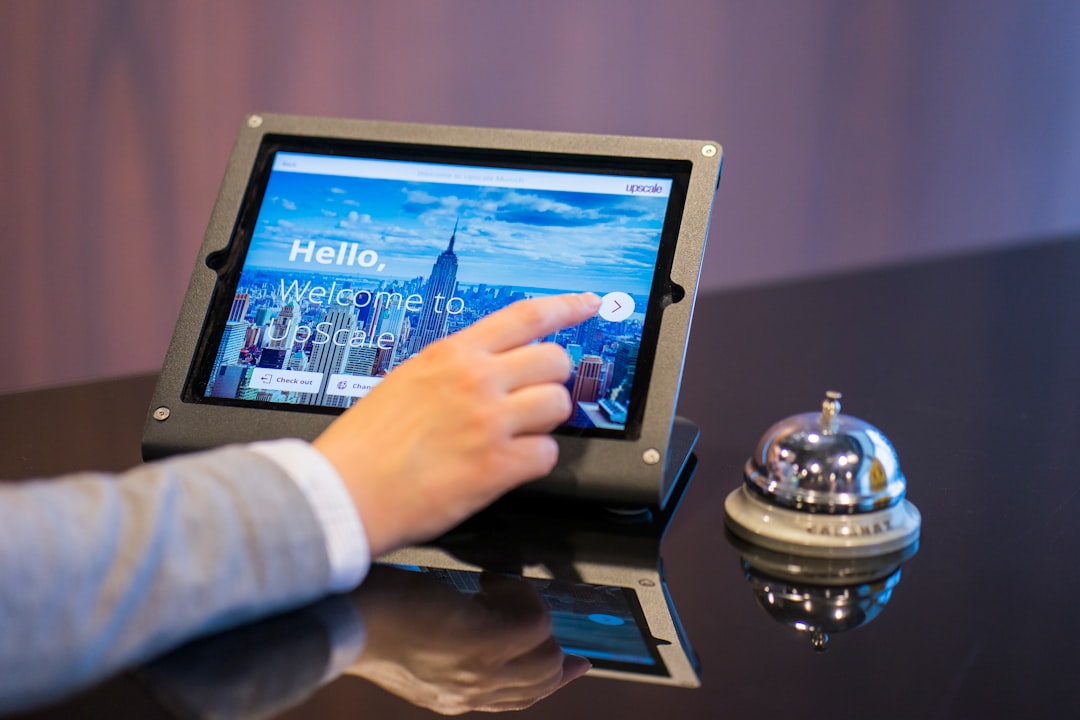
The “front end” of a hotel sales website (i.e. Expedia.com or Booking.com) displays the hotel’s information to allow guests to book stays with the hotel.
The hotel extranet is the “back end” of a hotel sales website that allows authorized users for the hotels to log in to enter all of their availability, rates, and inventory.
When your hotel’s room nights are sold via one of your distribution channels, the amount the guest has to pay for your hotel’s room night is the sell rate.
Understanding Hotel Rate Parity: What Does It Mean?
Introduction
In the competitive world of hospitality, hoteliers are constantly seeking strategies to maximize revenue and maintain a strong market presence.
One such strategy that has become increasingly important is hotel rate parity.
But what does rate parity mean?
This blog post will delve into rate parity, its significance in the hotel industry, and how it impacts hoteliers and consumers.
Understanding Hotel Rate Parity
Hotel rate parity refers to the practice of maintaining consistent room rates across all distribution channels, including a hotel’s own website, online travel agencies (OTAs), and other third-party platforms.
In simpler terms, it means that a specific room type in a hotel should have the same price regardless of where it is sold.
The principle behind this practice is to prevent price competition among distribution channels. By ensuring that all platforms offer the same rate for a room, hotels can maintain control over their pricing strategy and avoid undercutting their direct booking channels.
The Importance of Rate Parity in the Hotel Industry
Rate parity is crucial in maintaining a level playing field in the hospitality industry. Here’s why:
1. Maintains Brand Integrity
When customers find different prices for the same room type on different platforms, it can lead to confusion and mistrust towards the hotel brand. Rate parity helps maintain brand integrity by ensuring price consistency.
2. Prevents Revenue Loss
If OTAs offer rooms at lower rates than those listed on a hotel’s website, customers will likely book through these third-party platforms rather than directly with the hotel. This leads to revenue loss for hotels as they must pay the OTA’s commission fees.
3. Enhances Customer Loyalty
By offering consistent rates across all channels, hotels can encourage direct bookings on their websites, where they have more opportunities to engage with guests and build customer loyalty.
Challenges Associated with Hotel Rate Parity
While rate parity is beneficial for hotels, it also comes with its own set of challenges. These include:
1. Rate Disparity
Despite the best efforts of hoteliers, rate disparity can still occur due to factors such as currency fluctuations, special promotions by OTAs, and unauthorized discounts.
2. Limited Pricing Flexibility
Rate parity agreements often restrict hotels from offering lower rates on their websites than those listed on OTAs. This limits the pricing flexibility of hotels and makes it difficult for them to incentivize direct bookings.
3. Dependence on OTAs
While OTAs help increase visibility and reach for hotels, they also charge hefty commission fees. With rate parity in place, hotels often cannot compete with these platforms on price, leading to increased dependence on them for bookings.
The Future of Hotel Rate Parity
There has been growing debate over the fairness and legality of rate parity agreements in recent years. Some countries like France, Italy, and Austria have even banned such agreements to promote competition and consumer choice.
Despite these developments, hotel rate parity will likely remain a significant aspect of revenue management in the hospitality industry. Hoteliers must balance maintaining rate parity and offering competitive prices that attract direct bookings.
Conclusion
Hotel rate parity is a complex concept that has far-reaching implications for both hoteliers and consumers. While it helps maintain brand integrity and prevent revenue loss, it also poses challenges related to pricing flexibility and dependence on OTAs.
Moving forward, hoteliers need to navigate these challenges strategically while keeping an eye on evolving regulations around rate parity. By doing so, they can ensure that they are maximizing their revenue potential while maintaining a strong brand image in the eyes of their customers.
Understanding the Global Distribution Systems (GDS) in the Travel Industry
In the fast-paced world of travel, efficiency and accessibility are paramount. One of the key players in ensuring that travel agents, airlines, hotels, and other service providers can connect seamlessly is the Global Distribution System (GDS). This blog post will delve into what GDS is, how it operates, its significance in the travel industry, and its future.
What is a Global Distribution System (GDS)?
A Global Distribution System (GDS) is a computerized network that facilitates transactions between travel service providers and travel agents. It serves as an intermediary that allows agents to access a wide range of services from various suppliers—such as airlines, hotels, car rental services, and more—through a single platform. The primary purpose of a GDS is to streamline the booking process for both agents and consumers.
Key Players in GDS
The major players in the GDS market include:
Amadeus
Founded in 1987, Amadeus has become one of the largest GDS providers globally. It offers comprehensive solutions for airlines and travel agencies alike.
Sabre
Established in 1960 by American Airlines, Sabre was one of the first GDS systems created. It continues to be a leader in technology solutions for travel agencies.
Travelport
Known for its brands like Galileo and Worldspan, Travelport provides innovative technology solutions to enhance travel bookings.
These companies have developed sophisticated platforms that allow users to search for flights, book hotel rooms, reserve rental cars, and much more—all from one interface.
How Does a GDS Work?
The operation of a Global Distribution System involves several steps:
Data Aggregation
A GDS collects data from multiple sources including airlines’ reservation systems, hotel booking engines, car rental services, etc. This data includes availability information and pricing.
Centralized Access
Travel agents access this aggregated data through their own systems or terminals connected to the GDS network. They can search for options based on specific criteria such as price range or preferred amenities.
Booking Process
Once an agent finds suitable options for their clients, they can make reservations directly through the GDS platform. The system then confirms bookings with real-time updates on availability.
Commission Handling
After successful bookings are made through a GDS platform, commissions are often handled automatically between suppliers and agents based on pre-agreed terms.
Importance of GDS in Travel Industry
Enhanced Efficiency
One of the most significant advantages of using a Global Distribution System is efficiency. By providing access to multiple suppliers through one interface, it saves time for travel agents who would otherwise need to check each supplier’s system individually.
Increased Reach
For suppliers like airlines or hotels looking to maximize their visibility and sales potential globally, being part of a GDS network means reaching thousands of travel agencies worldwide without needing individual contracts with each one.
Real-Time Information
A major benefit offered by modern GDS platforms is real-time information regarding availability and pricing changes. This ensures that both agents and customers have access to up-to-date information when making decisions about their travels.
Streamlined Processes
The integration capabilities offered by many modern GDS platforms allow seamless connections with other software tools used by travel agencies—such as customer relationship management (CRM) systems or accounting software—creating streamlined processes across various business functions.
Challenges Facing Global Distribution Systems
Despite their numerous advantages, there are challenges facing Global Distribution Systems:
Cost Structure
The fees associated with using a GDS can be substantial for smaller agencies or independent operators who may struggle with profit margins.
Competition from Direct Booking Channels
With more travelers opting to book directly through airline or hotel websites due to attractive deals or loyalty programs offered by these companies themselves; traditional reliance on GDS may diminish over time.
Technological Advancements
As technology evolves rapidly within this space—including artificial intelligence (AI), machine learning (ML), blockchain technology—the existing models must adapt quickly or risk obsolescence.
The Future of Global Distribution Systems
As we look toward the future of global distribution systems within the travel industry:
Integration with New Technologies
We can expect further integration with AI-driven tools that enhance personalization during booking processes while also improving operational efficiencies.
Enhanced User Experience
With increasing competition from alternative booking platforms emerging every day; enhancing user experience will be critical for maintaining relevance among travelers’ preferences moving forward.
Conclusion
Global Distribution Systems play an essential role in connecting various stakeholders within the travel industry ecosystem—from suppliers offering services like flights or accommodations down through intermediaries like travel agents facilitating bookings on behalf of consumers themselves! Understanding how these systems operate not only highlights their importance but also sheds light on potential areas ripe for innovation as we navigate an ever-evolving landscape together!
Hotel markup and margin are terms used to calculate how much a sales website collects as their fee from booking one of your hotel’s room nights.
These two can be a little tricky in the hospitality industry as they are fundamentally different – and are commonly confused. Here is an example scenario and a description of how hotel markup and margin would be calculated.
Example Scenario:
The double room sells for $100 per night, and a guest books a one night stay on a wholesaler’s website you work with. The total amount collected from the guest is $100.00.
The wholesaler takes $25 as their fee, leaving your hotel with $75 to collect as your net rate.
Hotel Markup
The wholesaler’s take is equal to 1/3 the amount your hotel takes – $25 to your $75.
This means the markup is 33.33% (1/3 = .3333 x 100 = 33.33%) for your hotel’s sales on this wholesalers website. The wholesaler’s take will always be equal to 33.33% of the amount your hotel takes.
Hotel Margin
The wholesaler’s take is equal to 1/4 of the total amount collected – $25 of $100.
This means the margin is 25.00% for your hotel’s sales on this wholesaler’s website. The wholesaler’s take is equal to 25% of the total amount collected from the guest.
So yes – a 33.33% Markup equals a 25.00% Margin for your hotel. These two principles are just two common ways of calculating how much your hotel’s net rate will be for room nights sold on a wholesaler’s website.
What does hotel min nights (aka MLOS, or minimum length of stay) mean?
A minimum length of stay restriction only shows the stay as bookable if the stay is equal to or greater than the minimum nights setting.
If the 10th has an MLOS restriction of 3 nights, and the guest searches for the 10th through the 12th, a 2 night stay, the stay will not show as available, as the minimum night restriction of 3 has not been met.
If the guest searches for the 10th through the 13th, a 3 night stay, the stay will appear as bookable.
This is also known as “minimum nights on arrival” as the restriction is only in effect when the stay arrival starts on the date with the minimum stay restriction.
Hotel net rates are essentially the rates offered to OTAs (Online Travel Agencies) or other booking channels excluding any commission.
This rate is often negotiated between the hotel and the OTA, forming the basis for the final rate that will be presented to the customer after adding the OTA’s commission.
For example, if a hotel agrees on a net rate of $100 per room night with an OTA, and the agreed commission is 15%, the customer will see a rate of $115 when booking the room through that OTA.
The Importance of Managing Net Rates
Managing net rates efficiently is crucial for several reasons:
Competitive Pricing
By keeping an eye on net rates and the subsequent mark-ups, hotels can ensure they remain competitively priced in the market, attracting more bookings.
Revenue Management: Efficient net rate management allows for better revenue management and forecasting, aiding in better financial planning.
Maintaining Rate Parity
Rate parity is the practice of maintaining consistent rates across all distribution channels. Proper net rate management through a channel manager ensures rate parity, which in turn maintains a hotel’s reputation and avoids undercutting.
Leveraging a Channel Manager for Net Rate Management
A channel manager simplifies the net rate management process in several ways:
Centralized Control
A channel manager provides a centralized platform to control and update net rates across all distribution channels in real-time, ensuring rate parity and minimizing the risk of overbooking.
Automation
Through automation, channel managers alleviate the manual effort required to update rates and inventory across multiple channels, saving time and reducing errors.
Analysis and Reporting
Channel managers often come with analytical tools that provide insights into rate performance across different channels. This data can be invaluable for making informed pricing decisions.
Rate Optimization
Some advanced channel managers offer rate optimization features, using data analytics to suggest the most competitive rates based on market demand, competitor pricing, and other factors.
Final Thoughts
In the modern hospitality landscape, utilizing a channel manager to manage net rates efficiently is not just a luxury, but a necessity. It not only streamlines operations but also provides a competitive edge in a market where pricing can significantly impact a hotel’s success.
By ensuring accurate, real-time rate management across all distribution channels, hoteliers can focus more on delivering exceptional guest experiences, which is the cornerstone of building a loyal customer base and achieving long-term success in the hospitality industry.
In this dynamic hospitality industry, hotel operating systems have become a critical tool to conduct daily operations with ease. Among these systems, hotel software is a core module that lines up everything from reservations to guest services. With the automation of routine tasks done by hotel property management systems, hoteliers would devote more time to improving the guest experience and much less on administrative busywork. Comprehensive software at the core ensures the smooth flow of every aspect of hotel operations and creates an effortless experience for both staff and guests.
What is Property Management System (PMS) for Hotels
A property management system refers to a software platform that assists in smoothing hotel operations. The Property Management System is a comprehensive system that provides reservations, guest check-in and check-out, room allotment, housekeeping, billing, and much more. This will have every department in sync, reducing errors and increasing efficiency. With a PMS, hotel staff is able to offer better service to guests, as all the necessary information and tools are at their fingertips instantly.
Hotel management software has undergone a sea change through the years. A number of PMS solutions have now shifted to the cloud and allow for real-time updates and mobile accessibility. This has helped managers oversee hotel operations no matter their location, ensuring everything runs even when they are not around. What is property management system if not a game-changer for the hospitality industry? It enables hotels to deliver exceptional guest experiences while keeping operational standards high.
Definition and Purpose
The hotel management system is designed to put all the hotel’s running operations into a single packaged platform. This broad tool answers the question of what is PMS software and is used to manage reservations, guest services, room assignments, billing, etc. Integrating these various functions, a hotel system ensures that each department works in harmony with each other, hugely enhancing efficiency in operations and guest satisfaction.
The bottom line of any PMS is to make the complex simple, eradicate human error, and provide a seamless experience for both staff and guests. It is the backbone of hotel operations, ensuring that everything – from booking a room to checking out – is done in a manner that is smooth and effective. With a good hotel management system in place, hoteliers can focus on exceptional guest experiences with the assurance that their administrative burden is well cared for. Modern PMS solutions also offer real-time data analytics, mobile access, and cloud services to empower hotel managers with the correct information in the right place and time for informed decision-making.
Key Functions and Operations
A hotel property management system is paramount if any hotel is to run smoothly. But what is a PMS system, and what are the main functions it serves? Basically, a PMS incorporates aspects of the management of a hotel into one effective platform. Here are some of the primary functions and operations of hospitality software that help hotels stay in touch with their guests and streamline their services:
Manage reservations – room bookings, cancellations, and modifications.
Manage front desk operations – check-in, check-out, and guest inquiries.
Housekeeping management – room status and cleaning task assignments.
Guest payment processing – including credit card transactions and invoicing.
Reporting and analytics – detailed reports of occupancy, revenue, and guest preferences to inform decision-making.
Guest communication – guest interaction through automated emails, SMS, and in-app messages.
By including these functions, a hotel property management system enhances operational efficiency and satisfies the guest experience, making it an essential tool in the hospitality industry.
Basic Functions and Capabilities of Property Management Systems
A PMS system hotel is one of the critical items for managing the diversified and complicated operations of any lodging enterprise, be it the size of a large resort or a mini hotel. That powerful software combines the functionality into one single platform, which streamlines tasks and enhances efficiency across the board. Be it processing reservations, front desk operations management, housekeeping, payments, or producing detailed reports, property management ensures that everything regarding hotel operations is under control. Using the strengths that come from using a PMS, a hotel can provide a better guest experience, uphold operational excellence, and remain competitive in the ever-evolving hospitality environment.
Reservation Management
Reservation management is one of the essential functions of the hospitality industry, ensuring that bookings are tackled efficiently and precisely. Property management systems make the process even easier by enabling guests to check room availability and make reservations through different online channels. These systems centralize all the data on reservations, avoiding overbookings and providing real-time updates. The systems also manage group bookings and special requests with ease, further improving the guest experience. From automated confirmation emails to integration with the hotel website, a property management system provides smooth and efficient reservation processing for both guests and staff.
Front Desk Operations
Front desk operations provide the quintessence of the smooth functioning of any hotel, as they are the first point of contact with the guests and staff at the hotel. Further, the front desk tasks are executed impressively with the help of PMS online systems. These hotel systems offer a bunch of features for flawless operations:
Check-ins and Check-outs: Manage guests’ arrivals and departures with automated processes.
Real-time Updates: Provide correct updates on room availability and guest details.
Key Management: Handle the issuance and managing of room keys seamlessly.
Special Requests: Handle guest requests and preferences to enhance their stay.
Automated Check-ins: Manage check-in processes via kiosks or mobile apps for convenience.
With this simplification, property management systems enhance the guest experience and improve the efficiency of the hotel.
Housekeeping Management
Housekeeping is a very critical management function in maintaining the reputation of the hotel for the cleanliness and satisfaction of its guests. With the aid of PMS software, the process becomes highly streamlined and efficient. A good rooms management system enables the housekeeping personnel to receive the status of each room in real-time, thus knowing precisely what room and when needs cleaning. This system can also enable task assignment, allow tracking of housekeeping activity progress, and ensure that rooms are prepared for fresh guests on time. Integrating housekeeping management into the overall PMS will be a way of ensuring high standards of cleanliness, increasing staff productivity, and making the overall guest experience better.
Payment Processing
Efficient payment processing is a vital requirement for any hotel to have smooth financial transactions, which improves the guest experience. Integrated with a complete payment management system, a PMS system hotel makes sure the process of payment through different payment methods is done effortlessly, whether through credit cards, mobile payments, or online transactions. The integration also makes sure payment is processed with the highest level of security, speed, and accuracy. The system also provides detailed invoices and receipts, totally automating the billing of guests. Offering a flawless and secure payment experience, property management systems not only improve operational efficiency but also earn trust and satisfaction among guests, making their stay a good experience without any hassles.
Reporting and Analytics
It is essential to provide reporting and analytics for making informed decisions within the hospitality industry. Advanced hotel management computer software includes features like generating various reports on occupancy rates, revenues, guest preferences, and operational efficiency. These insights help hoteliers pinpoint trends, refine pricing strategies, and optimize service quality. With real-time data, management can make proactive decisions to improve performance and guest satisfaction. This powerful property management system capability ensures that hotels remain competitive and responsive to market demands.
Benefits of Hotel Property Management System
A PMS system offers many benefits that significantly improve hotel operations and guest experience. These systems lie at the core of modern-day hotel management, enhancing work efficiency and improving guest satisfaction to optimize revenue management and pricing strategies. The following sections delve deeper into some of the key advantages of implementing a property management system within the hospitality industry.
Increased Work Efficiency
One significant advantage of hotel property management software is the improved work efficiency brought about by the automation of a number of tasks by the software, which ensures that the operations at the hotel run smoothly and staff productivity is maximized. Key efficiency benefits include:
Automated Reservations: Hotel booking software streamlines the booking process, reducing manual entry errors.
Task Management: Effectively assigns and tracks housekeeping and maintenance tasks.
Real-time Updates: Instant accessibility in the room status and availability empowers coordination.
Integrated Systems: Integrates various functionalities in one platform, reducing dependence on separate tools and software.
Improved Guest Experience
A payment management system integrated with hotel property management software dramatically improves the guest experience. It allows for seamless and secure transactions, ensuring guests can quickly and easily settle their bills. Moreover, it assures guests of real-time updates and personalized services during their stay, as made possible by the PMS. This combination of efficient payment processing and tailored guest services leads to higher satisfaction and loyalty.
Increased Revenue through Optimized Bid Management
Optimized bid management with the help of a property management system can significantly raise the bar for a hotel in terms of increased revenues. Based on market trends and guest preferences, the room rates are modified dynamically to maximize occupancy and profit. Adding an order management system assures that all the aspects of revenue management, from room pricing to additional services, go orderly. This strategic approach enables hotels to offer competitive rates while enhancing their revenue potential.
Enhanced Price Selling Opportunities
Enhancing price-selling opportunities is a crucial benefit of using a PMS system. By leveraging small hotel management software, hotels can dynamically adjust prices based on real-time data and market conditions.
Key advantages include:
Dynamic Pricing: Adjusts room rates based on demand and availability.
Promotional Offers: Easily create and manage special discounts and packages.
Market Analysis: Provides insights to set competitive prices.
Revenue Optimization: Ensures the best rates to maximize profits.
Who is Suitable for Implementing a Property Management System?
A hotel PMS is flexible enough to accommodate large hotel chains down to the most minor, independent hotels and guest houses. Such flexibility makes PMS integration ideal for a host of property types, including boutique hotels, resorts, and even vacation rentals. With a hotel PMS, businesses of all sizes are better able to streamline operations, enhance the guest experience, and stay competitive in the ever-changing landscape of hospitality.
Large Hospitality Businesses
Large hospitality businesses, like hotel chains and resorts, find great utility in the all-inclusive resort management software made available by hospitality software companies.
These advanced systems offer:
Centralized Management: Streamlines operations across multiple locations.
Scalability: Easily adapts to the needs of large properties and growing businesses.
Advanced Analytics: Provides in-depth insights into performance and guest preferences.
Enhanced Guest Services: Facilitates personalized experiences and efficient service delivery.
Small and Newly Opened Businesses
Small and newly opened businesses, like boutique hotels and guest houses, can realize considerable benefits from PMS integration. Small hotel software can help any mini hotel efficiently computerize and improve operations. Such systems are user-friendly, economically viable, and offer all the required features regarding reservation management, guest communication, and billing. With the right property management system in place, small hotels can offer a professional and seamless experience to their guests, ensuring success in a competitive market.
Apartments and Guest Houses
Small hotel software is most suited for apartments and guest houses to ensure operational efficiency. These progressive management systems offer features such as reservation tracking, guest communication, and billing tailored to smaller properties. Through this technology, an apartment or guest house can deliver a seamless and professional experience to customers. The result is higher satisfaction and repeat business, which ensures success in the hospitality market.
How to Choose the Right Hotel PMS Systems?
Choosing the proper PMS for any hospitality business is critical to its success and effectiveness. The right system can streamline activities, improve guests’ experiences, and enhance revenues. With so many options available today, picking the best can be challenging. Consider issues of customization, ease of integration, customer service, and reliability. The following sections provide practical advice to help you make an informed decision and ensure you choose a system that meets your hotel’s unique needs and goals.
Customization for Different Business Types
Customization is critical for hotel PMS systems in order to make them fit the exact needs of different hospitality businesses. The right software for hotels should be flexible in features that are tailored to various operational requirements. Key customization options include:
Room and Bed Management: Adapt the system for different property types, such as hostels or boutique hotels.
Feature Modules: Choose and integrate specific modules, such as spa management, event planning, or restaurant POS.
Scalability: Ensure that the system can increase its features and capabilities as your business grows.
User Interface: Adapt the dashboard and user interface to the workflow and preferences of your staff.
Integration with Other Modules
One of the essential criteria for choosing a PMS hotel system is its compatibility with other modules. A comprehensive PMS property management system should seamlessly connect with various modules to enhance overall efficiency and functionality. This will ensure that all aspects of hotel operations work harmoniously together within one platform to manage diversified tasks.
Some necessary integrations include:
Channel Management: The synchronization of the availability of rooms and rates with several booking platforms.
Customer Relationship Management: It helps to increase engagement with guests and provide them with personalized services.
Point of Sale: Integrates with restaurant and spa services to keep billing and inventory under a streamlined format.
Revenue Management: Uses data analytics to optimize pricing strategies and maximize revenues.
Such features guarantee strong integration capability, enabling a comprehensive solution that boosts operational efficiency and guest satisfaction for property management systems in PMS.
Importance of Reliable Customer Support
With any PMS hotel system, it is essential to consider reliable customer support. Quality software for hotels should be complemented by a support team that can be reached whenever an issue or question arises. This means that with proper support, the operation can continue without hindrances. With 24/7 technical support, hoteliers can resolve problems quickly, reducing downtime while continuing to provide the best standards of service. Adequate customer support not only ensures that your investment is safe but also means better overall efficiency and reliability of your hotel management system.
Crucial Factors for Future Effective Work
When selecting a hotel PMS system, there are a number of important factors to consider that determine long-term success and efficiency.
Among the main features to consider are:
User-Friendliness: Intuitive interface to ensure that training time remains low.
Scalability: Grow and change with your business.
Security: Strong data protection and compliance with industry standards.
Cost-Effectiveness: Balancing features with budget constraints.
Flexibility: Tailor to meet your unique operational needs.
Choosing the right hotel PMS system is crucial to future effective work. With these critical factors in mind, hoteliers can be assured that they invest in a system that improves operational efficiency, enhances guest satisfaction, and sustains growth over the long run. Ultimately, the well-chosen PMS system will be one of the foundational elements driving excellence in all aspects of hotel management.
What Does Hotel Stop Sell Mean? A Comprehensive Guide
Managing room inventory effectively is crucial for hotels, especially during high-demand periods. One of the tools that hoteliers use to manage inventory is the “Stop Sell” feature.
But what exactly does “Stop Sell” mean, and how can it benefit your hotel?
In this blog post, we’ll break down the concept of hotel stop sell, explain its purpose, and explore how to use it strategically to optimize your hotel’s performance.
Understanding the Basics of Stop Sell
A “Stop Sell” is a tool used in hotel inventory management to close off the sale of certain room categories or rates across all or selected distribution channels.
When a stop sell is applied, it prevents new reservations from being made for specific rooms or rates, even if they are still technically available.
This control is essential during periods of high demand or when managing limited inventory, allowing hotels to avoid overbooking and better manage their room distribution.
Why Hotels Use Stop Sell
There are several reasons why a hotel might use a stop sell:
Avoid Overbooking: When a hotel anticipates that it might reach full occupancy, implementing a stop sell can prevent overbooking, which can lead to guest dissatisfaction and financial losses.
Maximize Revenue: By applying a stop sell to lower-priced room categories or rates, hotels can ensure that they are maximizing revenue by encouraging bookings at higher rates or for more expensive room categories.
Inventory Control Across Channels: Many hotels distribute their rooms across various online travel agencies (OTAs) and their direct booking channels. A stop sell allows them to control inventory distribution more effectively, ensuring that they are not overselling on one platform while underutilizing another.
Manage Special Events or Group Bookings: During special events, conventions, or large group bookings, hotels might use stop sell to allocate rooms specifically for those events or groups, ensuring that they meet contractual obligations without impacting general availability.
When to Implement a Stop Sell
Knowing when to apply a stop sell is key to effective inventory management. Here are some scenarios where a stop sell might be appropriate:
Peak Seasons: During holidays, festivals, or other peak travel times, demand for rooms can skyrocket. Applying a stop sell can help ensure that your hotel doesn’t overcommit to more bookings than it can handle.
Limited Inventory: If your hotel has a limited number of certain room categories, such as suites or family rooms, a stop sell can help protect that inventory from being overbooked.
Rate Optimization: If your revenue management strategy involves adjusting room rates based on demand, a stop sell can help funnel bookings toward higher-priced rooms or rates, maximizing your revenue potential.
Operational Constraints: Sometimes, operational issues like maintenance or staffing shortages might reduce the number of rooms available. In these cases, applying a stop sell can help manage the reduced inventory without disrupting guest expectations.
How to Apply a Stop Sell
Implementing a stop sell typically involves using your hotel’s Central Reservation System (CRS), Property Management System (PMS), or Channel Manager. Here’s a general process:
Identify the Room Categories or Rates: Determine which room types or rates need to be closed off. This decision should be based on current bookings, demand forecasts, and revenue management goals.
Select the Distribution Channels: Decide whether the stop sell should apply across all channels or only specific ones. For instance, you might want to stop selling through OTAs while keeping direct booking channels open.
Set the Stop Sell Dates: Define the time period for which the stop sell should be in effect. This could be a specific date range during a high-demand event or until occupancy levels reach a certain threshold.
Monitor and Adjust: Once the stop sell is in place, monitor your occupancy levels, booking pace, and market conditions. Be prepared to adjust the stop sell as needed to optimize performance.
Best Practices for Using Stop Sell
While stop sell can be a powerful tool, it should be used strategically. Overusing or incorrectly applying stop sell can lead to missed revenue opportunities or guest dissatisfaction. Here are some best practices:
Use Data-Driven Decisions: Base your stop sell decisions on accurate data, including demand forecasts, booking pace, and competitive analysis. This ensures that your actions are aligned with market conditions.
Communicate Clearly: Ensure that all relevant teams, including sales, marketing, and operations, are aware of any stop sell actions. Clear communication helps prevent internal conflicts and ensures that everyone is aligned with the hotel’s strategy.
Review and Adjust Regularly: Stop sell should not be a “set it and forget it” strategy. Regularly review your stop sell decisions and be ready to adjust based on changing market conditions or booking trends.
Conclusion
A “Hotel Stop Sell” is a crucial inventory management tool that can help hotels avoid overbooking, optimize revenue, and manage room availability across channels. By understanding when and how to apply stop sell effectively, you can enhance your hotel’s operational efficiency and overall performance. Whether you’re managing a small boutique hotel or a large chain, mastering the use of stop sell can provide significant benefits in today’s competitive hospitality market.
Understanding the Role of a Hotel Wholesaler in the Hospitality Industry
The hospitality industry is a vast, complex network of businesses, services, and professionals. Among these, the role of a hotel wholesaler is crucial yet often overlooked. In this blog post, we will delve into what a hotel wholesaler is, their role in the hospitality industry, and how they contribute to the overall guest experience.
What is a Hotel Wholesaler?
A hotel wholesaler, also known as a hotel broker or distributor, is an entity that purchases rooms in bulk from hotels at discounted rates and then sells them to travel agencies or directly to consumers. These wholesalers act as intermediaries between hotels and customers, providing an essential link in the distribution chain.
Hotel wholesalers can access a wide range of hotels worldwide – from luxury resorts to budget accommodations. They negotiate contracts with these hotels for room blocks at lower rates than individual travelers typically pay. These rooms are then packaged with other travel services like flights or car rentals and sold through various channels.
The Role of Hotel Wholesalers in the Hospitality Industry
Hotel wholesalers are integral to the hospitality industry by helping hotels reach wider audiences. By leveraging their extensive networks and marketing capabilities, they can promote hotels to potential customers who might not have been reached through direct marketing efforts.
Moreover, hotel wholesalers help manage demand fluctuations by purchasing room blocks during off-peak seasons or when demand is low. This ensures that hotels maintain steady occupancy rates throughout the year, contributing to consistent revenue streams.
Additionally, wholesalers provide value-added services such as customer support and assistance with booking processes. This enhances customer satisfaction levels and can lead to repeat business for the wholesaler and the hotel.
How Hotel Wholesalers Benefit Travelers
For travelers, booking through a hotel wholesaler can offer several advantages over direct bookings. Firstly, due to their bulk buying power and negotiated contracts with hotels, wholesalers can provide competitive rates often lower than those available directly from the hotel.
Secondly, wholesalers often bundle hotel stays with other travel services, offering comprehensive travel packages that save customers time and effort in planning their trips. These packages can include flights, car rentals, tours, and even dining options, providing a one-stop solution for all travel needs.
Lastly, hotel wholesalers offer a wide variety of choices. Whether you’re looking for a luxury resort in the Maldives or a budget-friendly hostel in Bangkok, wholesalers have an extensive inventory of accommodations to suit every preference and budget.
The Future of Hotel Wholesalers
With the rise of online travel agencies (OTAs) and direct booking capabilities offered by hotels, one might wonder about the future relevance of hotel wholesalers. However, despite these changes in the industry landscape, hotel wholesalers continue to hold significant value.
Hotel wholesalers have adapted to digital transformation by developing sophisticated online platforms for real-time inventory management and dynamic pricing. They also offer value-added services like customer reviews and ratings, detailed hotel information and photos, and 24/7 customer support.
Moreover, as travelers seek more personalized experiences and unique accommodations beyond standard hotels, wholesalers are well-positioned to cater to these evolving demands due to their extensive global networks.
In conclusion
A hotel wholesaler is more than just a middleman between hotels and customers. They play an essential role in the hospitality industry by helping hotels reach wider audiences while providing travelers with competitive rates and comprehensive travel solutions. As they adapt to changing industry trends and consumer demands, their relevance in the hospitality ecosystem remains strong.